Navigating Creative Hobbies: Why the First Step Matters
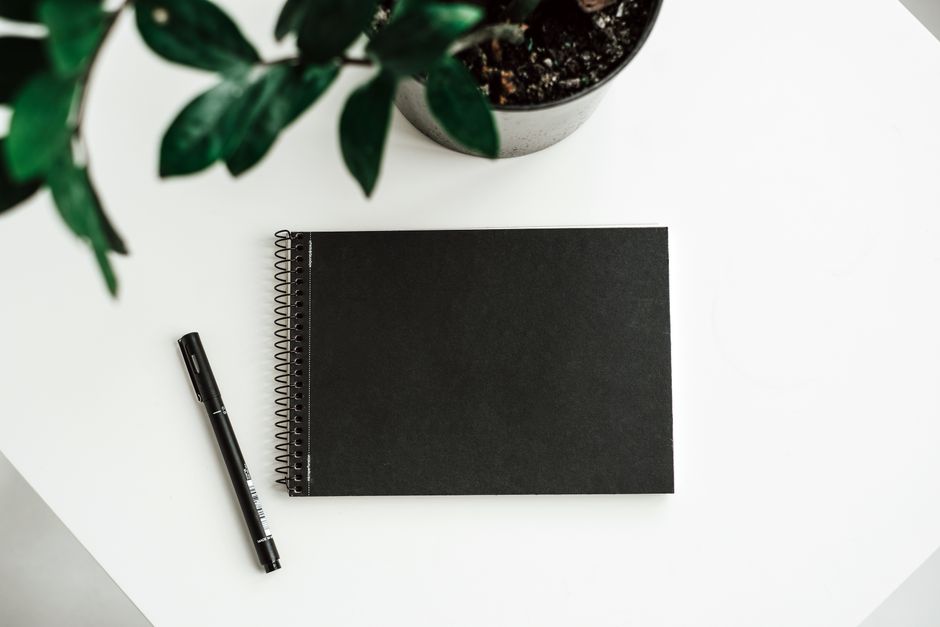
At the home desk, a quiet block of time unfolds after dinner, illuminated by the warm glow of a lamp. A sketchbook lies open, its pages inviting yet blank, while a pencil rests nearby, its tip dull and in need of sharpening. The coffee mug sits half-full, a reminder of the creative session that could begin if only the first step were clearer. This moment, ripe for artistic exploration, feels heavy with unfulfilled potential as the next action remains unmarked in the mind.
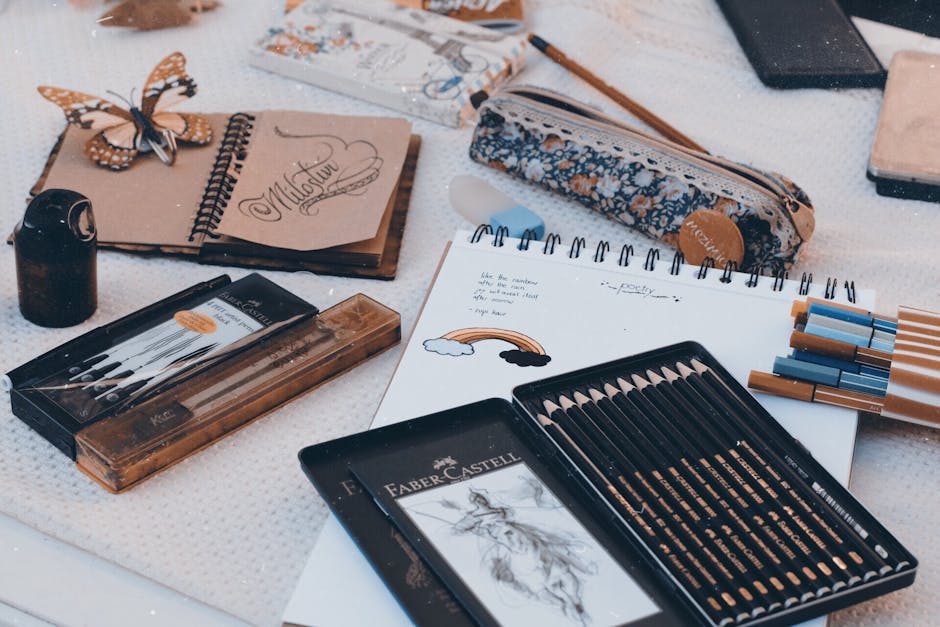
Reaching for the pencil, the hesitation lingers. Without the simple act of sharpening it, the whole endeavor feels stalled. The tools are present, but the path forward seems obscured. A quick glance at the art desk reveals scattered materials, yet none of them are in a ready-to-start setup. This friction—a missing step—can easily turn enthusiasm into frustration, making it difficult to dive into the drawing or craft project that beckons. The initial clarity of what to do next can make or break the creative flow, leaving the artist caught between intention and inaction.
The First Step That Gets Skipped
At a lamp-lit desk, an adult sits surrounded by a sketchbook, a pen, and a half-full coffee mug, the remnants of a previous creative session. The excitement of diving back into a craft project flickers like the overhead light, but as they stare blankly at the blank page, that initial spark begins to fade. The tools are there, yet the first step feels elusive, almost as if the act of picking up the pen has transformed into a daunting task. The mind races through possibilities, but the actual movement to begin remains stuck.
Reaching for the sketchbook, they realize that the pencil needs sharpening before they can even start. This moment of hesitation, where the next action is unclear, creates a barrier that can quickly turn enthusiasm into frustration. Instead of simply sharpening the pencil and letting the creative flow begin, the adult finds themselves caught in a cycle of indecision. The art desk, cluttered yet inviting, holds potential, but without a clear first step marked—like the act of preparing the tools—the creative session stalls. This friction illustrates how easily the path to engaging in a hobby can become obscured, leaving one to wonder if they’ll ever make the first mark. Where the Default Method Fails At the lamp-lit work surface, the adult sits with a sketchbook open, ready for a creative session. The coffee mug sits nearby, steam curling up into the air, but the excitement quickly fades when they realize the pencil is dull. This simple oversight transforms the act of starting into a small obstacle. Instead of diving into drawing or journaling, they find themselves stuck, needing to sharpen the pencil first. This moment highlights a common friction point: the first visible step is obscured, creating an unnecessary barrier to creativity.
The hesitation grows as the adult scans the art desk, cluttered with simple creative materials. The next step isn’t marked—there’s no clear path from the dull pencil to the first stroke on the page. They could easily grab the sharpener, but instead, they linger, caught in a cycle of indecision. Each minute spent hesitating adds to the frustration, as the potential for a fulfilling creative hobby slips away. This weak point under pressure shows how easily enthusiasm can dwindle when the first action is not clearly defined, leaving them wondering if they should even start at all.
A Clearer Path to Creativity
This same friction shows up again in Creative Hobbies For Adults, especially when the day tightens unexpectedly.
The lamp casts a warm glow over the home desk, illuminating a clean sketchbook and a freshly sharpened pencil, both ready for action. Instead of facing the usual indecision, the adult beginner takes a moment to prepare the workspace methodically. They place the pencil beside the sketchbook and set a timer for just ten minutes, creating a structured yet manageable commitment to their creative session. This clear setup eliminates the friction of uncertainty, making it easy to dive right into drawing.
With the timer ticking down, they can focus solely on putting the pencil to paper without the nagging thought of what to do next. The act of sharpening the pencil beforehand, along with having the sketchbook open to a blank page, streamlines the process. There's no hesitation or clutter to sift through; everything is in its place. This small adjustment—preparing the tools and setting a timer—transforms the beginning of the creative session into a straightforward action, allowing for a more fulfilling experience. The adult now feels empowered to start, knowing exactly where to begin and how long to commit, which contrasts sharply with the earlier moments of confusion. Tradeoffs of a Structured Approach Returning to a creative hobby like drawing often involves weighing the benefits of a structured approach against the allure of spontaneous creativity. At a lamp-lit work surface, the adult beginner faces a choice: dive into a session without any prior setup or take a moment to prepare.
- Less friction: By sharpening the pencil and having the sketchbook open, the adult creates a welcoming environment that reduces hesitation. This small act leads to a smoother transition into drawing, allowing for immediate engagement.
- Clearer starting point: Setting up the workspace with a coffee mug nearby and a notebook ready means there’s no ambiguity about what to do next. The adult can simply pick up the pencil and start sketching, leading to a more focused and productive session.
- Initial setup time: However, this structured method requires a few minutes of preparation, which can feel rigid compared to the freedom of spontaneous creativity. It might seem like a chore to sharpen pencils or arrange materials, especially during quiet moments before work or after dinner.
Despite the initial setup, the tradeoff often proves worthwhile. The clarity gained from knowing exactly where to start can outweigh the fleeting joy of spontaneity. When the adult is ready to draw, the absence of clutter and confusion enhances the experience, making it easier to dive into the creative flow.
When the Alternative Fits Best
A slightly different version of this problem appears in Starting New Hobbies Slowly, where the sequence changes but the hidden drag feels familiar.
Quiet moments at your home desk, like just before work or after dinner, serve as prime opportunities to engage with your sketchbook. The soft glow of a lamp casts a warm light over your art desk, illuminating the simple materials laid out: a sharpened pencil, a fresh sketchbook, and a steaming coffee mug. In this serene environment, distractions are minimal, making it an ideal time to dive into drawing.
For beginners, establishing a structured approach can be particularly beneficial. The act of preparing your workspace—placing the sketchbook front and center, ensuring the pencil is sharp, and perhaps even opening a favorite reference image on your phone—creates a clear starting point. This initial setup transforms the creative session from an overwhelming task into a manageable one. When everything is ready to go, the next step becomes obvious: just pick up the pencil and start sketching.
However, the structured method can feel a bit rigid, especially when spontaneity often calls for immediate action. Yet, it’s this very structure that builds confidence. Knowing that you have a ready-to-start setup means you can bypass the common friction of uncertainty. Instead of hesitating, you can focus on the joy of creation, allowing the pencil to flow across the page without the clutter of indecision. In moments like these, the tradeoff between preparation and spontaneity becomes clear: a little time spent organizing can lead to a more fulfilling and productive creative session.
Returning to your sketchbook at a lamp-lit work surface can be a refreshing experience, but without a clear first step, the excitement quickly fades. If the pencil isn’t sharpened or the sketchbook isn’t easily accessible, that initial burst of inspiration can vanish before it even starts. Instead of diving into a creative session, you might find yourself stuck in a loop of indecision, wondering what to do next.
To break this cycle, take a moment to prepare your workspace. Lay out your sketchbook, sharpen your pencils, and even pour a fresh cup of coffee. This simple act of readiness transforms your environment into a launchpad for creativity. When you sit down, everything you need is at your fingertips, making it easy to dive right in and sketch without hesitation. The next time you face a creative block, remember that a well-prepared setup can make all the difference in getting started.