A More Useful Way to Approach Art Desk
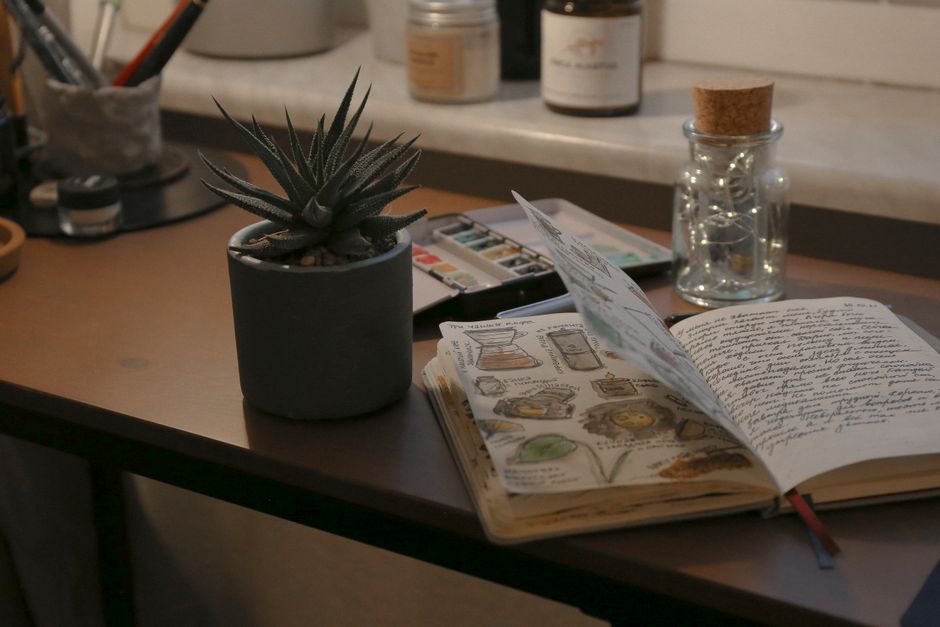
As the evening light filters through the window, the desk lamp casts a warm glow over the scattered supplies: a sketchbook, a half-full coffee mug, and a well-worn notebook. Sitting down at this familiar work surface, the intention is clear: to dive into a short creative session after a long day. However, the moment quickly reveals a common hurdle. The pencil, poised for action, needs sharpening, and the next step in the ongoing art practice was never marked in the notebook. This small oversight can derail the entire session, turning what should be a moment of inspiration into a frustrating pause.
With the sketchbook open and the pencil still dull, the routine starts to feel more like a chore. The absence of a simple note for the next session—a reminder of the idea that sparked the last creative burst—adds to the friction. Instead of flowing into the art practice, there’s a scramble for the sharpener and a mental reset. This sequence of events highlights how easily the enthusiasm for creative hobbies can wane when the setup isn’t ready. Each missed detail compounds the challenge of maintaining a consistent creative habit, illustrating how small adjustments can significantly impact the overall experience.
The Routine That Should Work
Evenings at the home desk often promise a quick escape into creativity. The lamp casts a warm glow over the workspace, illuminating the neatly arranged notebook, pen, and sketchbook, all waiting for inspiration to strike. This setup is ideal for a short session of journaling or drawing, ideally suited for the quiet moments before diving into other responsibilities.
As the clock ticks towards the end of the day, the intention is clear: spend thirty minutes sketching or jotting down thoughts. First, the sketchbook is opened to a fresh page, ready to capture ideas. Next, the pen is uncapped, poised to translate thoughts into words or images. But this is where friction often sneaks in. If the pencil isn’t sharpened beforehand, the initial excitement fades quickly. A quick check of the sharpener becomes necessary, and suddenly, the flow of creativity is interrupted.
To counter this, a simple note can be left in the notebook at the end of each session, marking the next step or idea to explore. This small action not only serves as a reminder but also smooths the transition into the next creative session. Without that note, the mind may struggle to recall the previous inspiration, leading to frustration and a sense of disconnection from the ongoing art practice. The desk, while prepped, can easily become a barrier instead of a bridge to creativity if these details are overlooked.
The First Step That Gets Skipped
As the evening light filters through the window, the art desk beckons with a promise of creativity. The sketchbook lies open, a blank canvas ready to capture the flow of ideas. However, the moment the pencil is picked up, reality sets in: it’s dull, requiring a quick trip to the sharpener. This simple task can derail the entire creative session, shifting the mood from eager anticipation to annoyance.
Instead of diving into a journaling entry or a quick sketch, the artist finds themselves standing at the sharpener, waiting for the pencil to be transformed. This minor delay can feel like a significant setback, especially if the artist had envisioned a productive evening. The air thickens with frustration, and what started as a moment of inspiration can quickly become a reason to abandon the session altogether. Without a plan in place to address this snag, the creative habit begins to crumble.
To counteract this friction, it helps to leave a note in the sketchbook at the end of each session, indicating the next step or idea to explore. This not only serves as a reminder but also eases the transition into the next creative moment. When the pencil is sharpened and the next idea is clearly marked, the artist can return to the desk with renewed focus. The desk, instead of becoming a barrier, can then act as a bridge to creativity. Yet, if these details are overlooked, the desk may transform into a source of stress, making it harder to maintain that vital creative routine.
If this pattern keeps repeating, Starting New Hobbies Slowly extends the idea without leaving the niche.
Why This Friction Repeats
Even in the comfort of your home desk, the path to a fulfilling creative session can be riddled with obstacles. A lamp casts a warm glow over your sketchbook, but if the pencil is dull or the next step isn’t marked, the mood shifts from eager anticipation to frustration.
- Without a sharpened pencil, you waste precious minutes that could be spent drawing or journaling. This small lack of preparation can sour your enthusiasm, making it feel like a chore to begin.
- Unexpected distractions, such as notifications buzzing from your phone, can pull you away from your art desk. Each ping is a reminder of tasks waiting, breaking your focus and leading to a disjointed creative flow.
- Failing to mark the next step in your creative process often leads to confusion. If you don’t leave a note in your sketchbook about what to tackle next, you may find yourself staring blankly at the page, unsure of where to pick up.
This friction can become a hidden cause of creative stagnation. The tradeoff between a moment of inspiration and the reality of a cluttered desk or a buzzing phone can mean the difference between a productive session and a lost opportunity. When you sit down after dinner, ready to create, the last thing you want is to feel unprepared or distracted, turning your art desk into a barrier rather than a sanctuary for creativity.
A Simple Correction That Holds Up
After a long day at work, the last thing you want is to sit down at your art desk and face a wall of unprepared materials. If your pencil is dull and your sketchbook is closed, it can feel like a mountain to climb before you even start. To ease this friction, take a moment at the end of each creative session to sharpen your pencil and place it right next to your notebook. This simple action not only ensures that your tools are ready, but it also signals to your brain that you’re setting the stage for your next creative venture.
Alongside this, create a visible note detailing the next step for your upcoming session. Whether it’s a reminder to sketch a specific scene or to experiment with a new color palette, place this note directly on your desk where it can’t be missed. This small effort transforms your workspace into a more inviting and less intimidating environment. When you sit down after dinner, you’ll find that the pencil is sharp and the path forward is clear, allowing your creativity to flow without unnecessary delays.
By incorporating these two adjustments—sharpening your pencil and leaving a note—you create a smoother transition into your creative time. It’s a small correction that can significantly enhance your ability to maintain your hobby, preventing the common pitfall of feeling unprepared. When the next quiet moment arrives, you’ll be ready to dive right into your journaling or sketching, rather than wasting time trying to remember where you left off.
A Quick Check That Prevents More Drift
Before diving into your next creative session at your lamp-lit work surface, take a moment to assess your supplies. This simple check can save you from the frustration of unpreparedness. For instance, if your pencil is dull, you’ll waste precious time sharpening it instead of sketching your ideas. Make it a habit to keep a small sharpener next to your sketchbook, ensuring that it’s always within reach.
As you settle down with your coffee mug and notebook, glance at your desk. Is there a note indicating what you planned to work on? If not, grab a sticky note and jot down the next step for your project. Place it directly on your sketchbook where you can easily see it. This visual cue not only reminds you of your creative direction but also helps you avoid the mental drift that often occurs when you sit down without a clear plan.
By incorporating these two quick checks—sharpening your pencil and leaving a note—you create a smoother transition into your creative time. This small adjustment can make a significant difference, allowing you to focus on your journaling or craft project without the nagging feeling of being unprepared. When the next quiet moment arrives, you’ll find that you’re ready to engage with your creativity rather than scrambling to get set up.
What Changes Once That Fix Repeats
A slightly different version of this problem appears in Creative Hobbies For Adults, where the sequence changes but the hidden drag feels familiar.
With a sharpened pencil resting beside your sketchbook, the mood at your lamp-lit desk shifts. The simple act of preparing your supplies transforms the atmosphere, making it feel less like a chore and more like an invitation to create. When you take the time to set up before diving into a session, you’re not just avoiding friction; you’re enhancing the entire experience. The next time you sit down, you’ll find that your mind is already in a creative space, ready to engage with your journaling or craft project.
As you glance at the sticky note on your sketchbook, you notice the clear direction it provides. Instead of wasting precious minutes figuring out what to do next, you can jump right into your project. This small adjustment—leaving a note for your next session—creates a smoother transition between your busy day and your creative time. When the next quiet block arrives, whether it’s before work or after dinner, you’ll find yourself more focused. The mental clutter of indecision fades, and you can dive into your DIY project or sketching without hesitation.
As you navigate your creative sessions, the importance of keeping your supplies ready becomes increasingly clear. A simple act like sharpening your pencil before you start can mean the difference between a smooth flow of ideas and a frustrating pause. When you sit down at your lamp-lit work surface, make it a habit to check your materials first. Is your sketchbook open to the last page you used? Do you have a fresh sticky note ready to jot down your next idea? This small moment of preparation can significantly reduce the friction that often halts creativity.
With each session, take a moment to photograph your current setup before you dive in. This visual cue not only serves as a reminder of where you left off but also helps you track your progress over time. The next time you find yourself with a quiet block of time, you’ll be able to pick up right where you left off, armed with clarity and focus. Recognizing these friction points allows you to cultivate a more satisfying creative habit, transforming your desk into a true sanctuary for your artistic pursuits.


