Navigating the Hidden Friction in Adult Creative Hobbies
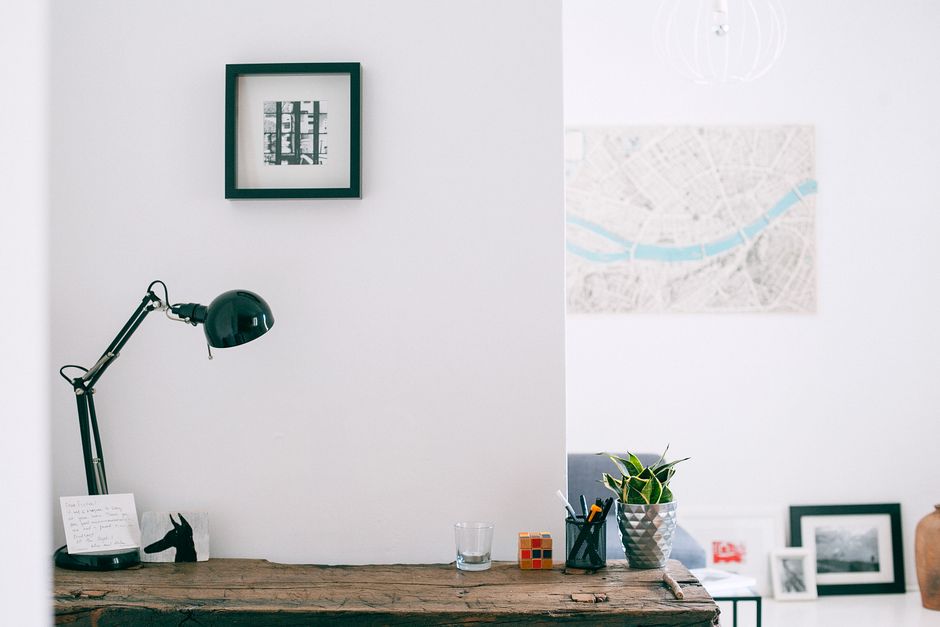
The lamp casts a warm glow over the small desk, illuminating the scattered art supplies: a sketchbook, a few colored pencils, and a half-finished craft project. It’s a quiet moment after dinner, a perfect time to dive into a short creative session. As I reach for my sketchbook, I can feel the familiar pull of inspiration mixed with the weight of unfulfilled intentions. The next page isn’t marked, and I hesitate, wondering if I should flip back to the last drawing or simply start anew. That small decision, to choose a page, feels heavier than it should, hinting at the friction that often disrupts these creative habits.
In this moment, the absence of a clear stopping point from my last session looms large. I remember the excitement of starting a new drawing but now face the uncertainty of where to begin again. The sketchbook lies open, yet the next step remains unmarked, leaving me stuck in a loop of indecision. With a coffee mug beside me, I take a breath, knowing that the simple act of opening to a fresh page could reignite my flow. But without that deliberate choice, my creative practice risks fading into another evening of missed opportunities.
The Setup: A Quiet Evening at the Desk
The warm glow of a desk lamp casts a cozy light over my work surface, illuminating the scattered supplies that have become familiar companions. A sketchbook lies open, its pages inviting yet blank, while a pen rests nearby, poised for action. The clock on the wall ticks softly, marking the quiet block of time just after dinner, a perfect moment for a short creative session before the evening slips away.
As I settle into my chair, the anticipation of starting a drawing project fills the air. I take a moment to glance at the supplies: a coffee mug half-full, the sketchbook waiting for my next stroke, and a few colored pencils neatly arranged to the side. Each object is a reminder of the creative habits I’ve been nurturing, yet the absence of a marked stopping point from my last session creates a subtle tension. I realize that the next page isn’t chosen, and that small decision weighs heavily on my mind.
Instead of flipping back to my last drawing, I decide to embrace the blankness. I take a deep breath, reach for the sketchbook, and open to a fresh page. The act of choosing a new canvas feels liberating, but it also highlights the friction that disrupts these moments. I could easily spend precious minutes debating whether to start anew or refine what I’ve already done. Instead, I place the pen on the page and let it flow, trusting that the initial marks will guide me forward.
The First Step That Gets Skipped
The sketchbook lies open on the desk, its blank pages beckoning, yet the next page is not chosen. This small oversight creates a barrier, a moment of hesitation that disrupts the flow of creativity. I glance around the lamp-lit workspace, noting the empty coffee mug that once fueled my inspiration. Without that simple act of preparation—filling the mug or even just ensuring it’s nearby—I feel less inclined to dive into my art practice. It’s as if the absence of a warm drink reflects a lack of readiness.
In this quiet block of time before work, the decision to start drawing becomes tangled in the unresolved choice of what to create next. Should I flip back to a previous drawing or push forward into the unknown? The blank page stares back at me, amplifying the friction of not having marked a stopping point in my last session. I realize that this moment of indecision could easily stretch into minutes, robbing me of precious creative time. Instead, I make a conscious choice: I reach for the pen and draw a simple line across the page, anchoring my thoughts. This initial mark, while small, serves as a catalyst, breaking the spell of uncertainty.
As I sketch, I notice how the lack of a clear next step can stall the creative session. The empty coffee mug and the unchosen page are reminders that preparation is key. Each time I sit down to create, I need to ensure that my materials are ready and that I’ve marked a stopping point from the previous session. This way, the transition into my art practice can flow more smoothly, allowing me to embrace the blankness without hesitation.
What Happens When Materials Aren't Ready?
The phone buzzes beside my sketchbook, a constant reminder of the outside world. Each notification pulls my attention away from the creative session I had planned for this quiet moment after dinner. I glance at the cluttered surface of my art desk, where my sketchbook lies buried beneath a stack of old receipts and half-finished DIY projects. This disorganization makes it hard to find my favorite pen, the one that flows smoothly across the page, and I realize that my good intentions of starting a drawing are quickly slipping away.
As I sift through the mess, I notice that the next page in my sketchbook isn’t marked with any previous notes or sketches, leaving me without a clear direction. This small oversight weighs heavily on my mind. I had hoped to dive right into my art practice, but instead, I find myself caught in a frustrating loop of indecision. The clutter not only hides my tools but also creates a mental block. I remind myself that preparation is crucial; I should have set aside a specific area for my materials, ensuring that everything is within reach. I take a deep breath and decide to clear the space, moving the clutter aside to reveal my sketchbook and pen. This simple act of organization, while necessary, highlights the tradeoff: the time spent tidying up could have been used for creating, yet without this preparation, the creative flow remains stifled.
In this moment, I recognize that merely having the intention to create isn’t enough. The distractions and unpreparedness I face serve as barriers to engaging fully in my creative hobbies. As I finally open my sketchbook to a fresh page, I can't help but wonder how many other adults face similar challenges in their own creative routines, where the right materials and a clear path forward are essential for unlocking their artistic potential.
A Simple Adjustment: Marking the Next Step
This same friction shows up again in Creative Hobbies For Adults, especially when the day tightens unexpectedly.
At my home desk, the lamp casts a warm glow over my scattered materials—a sketchbook, a few pens, and a half-empty coffee mug. The moment feels ripe for creativity, but I can’t shake the nagging feeling of uncertainty. I remember the last session ended abruptly; the next page in my sketchbook wasn’t marked, leaving me staring at a blank canvas instead of diving back into the flow. This small oversight disrupts my momentum, making it harder to pick up where I left off.
To avoid this pitfall, I take a sticky note and place it on the last completed page, indicating where I’ll start next. This simple act transforms my approach, eliminating the guesswork and allowing me to jump right into the creative task. I also set a timer for 10 minutes, dedicating this short block solely to drawing. This decision creates a sense of urgency that fuels my focus, turning what could have been a meandering session into a productive burst of creativity. The ticking clock becomes a gentle nudge, reminding me that even a brief moment can yield satisfying results.
As I open my sketchbook to the marked page, I feel a shift in my mindset. The sticky note not only signals my next step but also reduces the friction that often comes with uncertainty. I realize that these small adjustments—marking the next step and setting a timer—are crucial for maintaining the flow in my creative sessions. Yet, I can’t help but wonder if I’ll remember to do this next time, or if I’ll once again find myself staring at a blank page, caught in a cycle of hesitation.
What Gets Easier in the Next Time Block
A slightly different version of this problem appears in Starting New Hobbies Slowly, where the sequence changes but the hidden drag feels familiar.
The lamp casts a warm glow over my home desk, illuminating the scattered supplies: a sketchbook, a few pens, and a half-finished craft project. As I sit down with a coffee mug in hand, I realize that I’ve set myself up for a more productive session by marking the next page in my sketchbook with a sticky note. This simple act not only directs my focus but also eliminates the hesitation that often creeps in when I’m faced with a blank page.
With the sticky note in place, I can dive right into my drawing without wasting precious minutes deciding where to start. The act of choosing the next page beforehand becomes a small but significant adjustment, allowing me to transition smoothly from the end of one creative block to the beginning of another. I take a moment to glance at my craft project, which sits nearby, reminding me of the unfinished tasks that often linger in the back of my mind. This visible cue helps me prioritize what I want to accomplish during this session.
As I open my sketchbook, I feel a sense of readiness. The marked page serves as a clear signal that I’m not just picking up where I left off; I’m moving forward with intention. However, I can’t shake the thought that without this small preparation, I might have found myself aimlessly flipping through pages again, caught in the same cycle of indecision. The next time block feels more manageable, yet I wonder if I’ll remember to keep this routine in place, or if I’ll once again face the blankness of an unmarked sketchbook.
As I sit at my lamp-lit work surface, the soft glow illuminating my sketchbook, I realize how crucial it is to mark the next page before I step away. Without that simple action, I risk losing momentum, staring at a blank page instead of diving into my next drawing. The nearby craft project serves as a reminder of the creative flow I want to maintain, but it also highlights the friction that can arise from disorganization.
In these quiet moments before work or after dinner, I can set myself up for success by simply opening my sketchbook to the marked page. This small act not only signals readiness but also eliminates the hesitation that can derail my creative session. Next time, I’ll make it a point to choose that page before I close the book, ensuring I keep the rhythm of my art practice alive.