Small Adjustments to Maximize Your Creative Time at Home

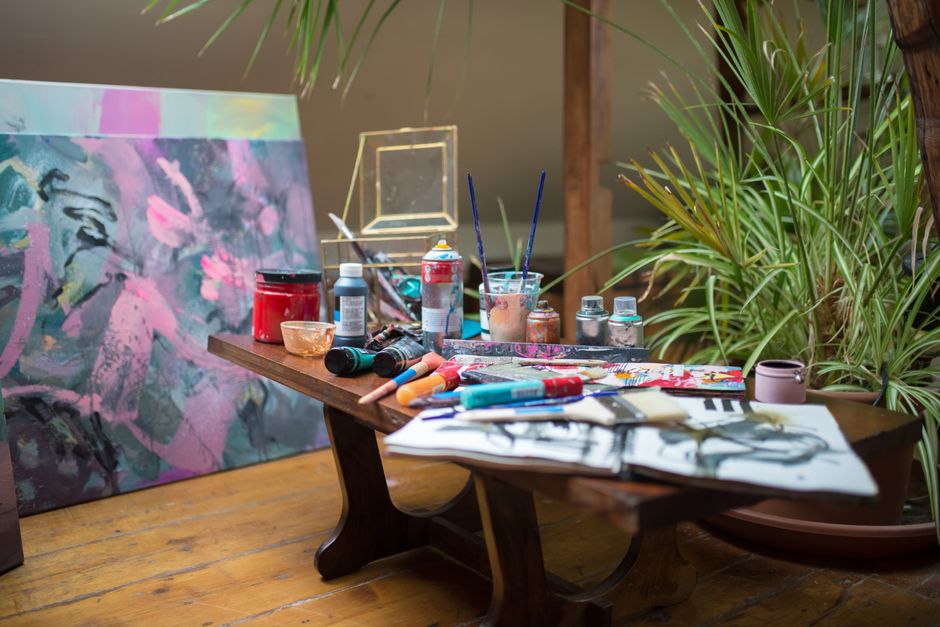
As the evening light filters through the window, you settle into your art desk corner, ready to squeeze in a quick creative session before dinner. Your sketchbook lies open, and the familiar scent of coffee lingers in the air. You glance at the array of colored pencils and brushes scattered across the desk, but a small detail catches your eye: the pencil sharpener is tucked away in a drawer, out of reach. This moment of hesitation can easily derail your intention to draw, turning a simple creative habit into a frustrating chore.
When supplies are nearby but not ready, it’s easy to lose momentum. You might think, "I’ll just grab the sharpener," but that quick trip can lead to distractions or even a complete halt in your creative flow. Instead, a simple adjustment—placing the sharpener next to your sketchbook—could mean the difference between a productive evening and a missed opportunity. Preparing your tools for immediate use not only reduces setup friction but also keeps you engaged with your art practice, allowing you to dive right into your drawing without unnecessary interruptions.
The Creative Session Begins—But Not Quite
Your art desk corner is a cozy nook, filled with the familiar scent of coffee and the soft light of the late afternoon sun. A sketchbook lies open, its blank pages inviting, while a pen rests nearby, ready for thoughts and ideas to flow. However, as you reach for the colored pencil, you realize it’s dull and in need of sharpening. This small detail, often overlooked, can quickly turn a moment of inspiration into a frustrating delay.
As you sit back, the pencil in hand, you feel the weight of the decision: should you get up to retrieve the sharpener from the drawer, or can you make do with what you have? The coffee mug sits empty, a reminder of the time you’ve already invested in this creative session. Instead of letting the moment slip away, consider placing the sharpener right next to your sketchbook next time. This simple adjustment means you won’t have to break your flow to prepare your tools. With everything within arm's reach, you can dive into your drawing without hesitation, transforming a potential roadblock into a seamless creative habit.
When the Routine Starts to Slip
As you settle into your art desk corner after a long day, the familiar sight of your sketchbook and drawing tools brings a sense of comfort. However, just as you’re about to dive into your latest drawing, you notice the colored pencil you reach for is dull. This moment, seemingly trivial, can derail the entire creative session. Instead of immediately sharpening it, you find yourself hesitating, weighing the options of getting up for the sharpener or trying to work with what you have.
In that brief pause, your phone buzzes with notifications, pulling your attention away from the blank page. You check it, thinking it will only take a moment, but the distraction stretches on as you scroll through messages. The pencil remains untouched, and the initial spark of inspiration begins to fade. This sequence not only interrupts your momentum but also creates a mental barrier to returning to the task at hand. The empty coffee mug beside you serves as a reminder of the time slipping away.
Next time, consider placing the sharpener right next to your sketchbook. This simple adjustment can help you avoid the friction of getting up mid-session. And as you prepare to end your creative block, take a moment to jot down a note about what you want to work on next. This will keep your thoughts organized and make it easier to jump back in when you have another quiet block of time. By addressing these small obstacles, you can maintain a smoother flow in your creative habits.
Understanding the Friction in Everyday Life
At your art desk corner, the promise of a quick creative session can quickly dissolve into frustration. As you sit down with your sketchbook, the reality sets in: the pencil needs sharpening, the notebook is buried under a pile of old receipts, and your favorite pen is nowhere to be found. This expectation of a seamless start clashes with the need to prepare materials, creating a barrier that can sap your enthusiasm before you even begin.
The clutter on your desk contributes to a feeling of overwhelm, making it harder to focus on your art practice. You glance at the empty coffee mug, a reminder of the time wasted searching for supplies. In this moment, good intentions alone aren’t enough to foster creativity. You might have planned to sketch out ideas for a DIY project, but the scattered environment transforms your motivation into a mental checklist of tasks that need addressing first.
Consider this: if you had set aside a few minutes earlier to organize your materials, you could have placed the sharpener within arm’s reach of your sketchbook. This small adjustment would eliminate the need to get up mid-session, allowing you to dive right into your creative flow. Instead, you find yourself caught in a cycle of minor distractions, where each search for a tool or a clean space chips away at your focus. Next time, before you settle in for a quiet block of creativity, take a moment to clear the desk, ensuring your tools are ready and waiting for you.
A Simple Adjustment to Streamline the Process
If this pattern keeps repeating, Creative Hobbies For Adults extends the idea without leaving the niche.
Keeping a small pencil sharpener next to your art desk can significantly reduce the friction that often halts your creative flow. Picture this: you sit down with your sketchbook, ready to start a drawing session, but your pencil is dull. Instead of diving into your ideas, you find yourself getting up to search for the sharpener, which is tucked away in a drawer across the room. This momentary disruption can break your concentration and lead to a frustrating start.
After each creative session, take five minutes to prepare for the next one. Sharpen your pencils, organize your supplies, and place the sharpener within arm’s reach of your sketchbook. This simple sequence change not only saves you time but also creates a welcoming environment for your next creative endeavor. By setting aside this small window to prepare, you ensure that when you return to your desk, everything is ready to go, allowing you to jump right back into your art practice without unnecessary delays.
Quick Checkpoints to Maintain Momentum
This same friction shows up again in Starting New Hobbies Slowly, especially when the day tightens unexpectedly.
Before diving into your creative session, take a moment to ensure everything is in its proper place. Start by scanning your art desk corner for supplies. Are your sketchbook, pens, and any other tools within arm's reach? If your favorite colored pencils are buried under a stack of papers, take a minute to pull them out and arrange them neatly next to your sketchbook. This small adjustment can save you from unnecessary interruptions once you begin.
Next, jot down any ideas or tasks you want to tackle during this session. Keep a small notebook beside your coffee mug for quick notes. This way, if inspiration strikes or you remember something important, you can quickly write it down without losing focus on your current project. Having this dedicated space for ideas helps clear your mind, allowing you to concentrate on your drawing or DIY project.
Finally, check your pencil sharpness as a quick tactile cue. A dull pencil can be a frustrating obstacle, so make it a habit to sharpen it before every session. This simple act not only prepares you for your work but also serves as a physical reminder that you’re ready to create. By establishing these quick checkpoints, you can maintain momentum and dive straight into your art practice without the friction of disorganization or distraction.
The Impact of Small Changes on Daily Creativity
After setting up your art desk corner with a few thoughtful adjustments, the experience of diving into a creative session shifts significantly. Instead of fumbling with supplies, you can immediately grab your sketchbook and start drawing. For instance, keeping your pencil sharpener right next to your coffee mug means you can quickly check if your pencil is ready before you begin. This small act reduces the friction that can lead to procrastination and allows you to focus on your art practice instead of the setup.
As you settle into this routine, the act of preparing for your creative session becomes less stressful. You’ll notice that your mind is clearer, and you’re more eager to engage with your DIY projects or journaling. By jotting down a quick note about what you want to tackle next, you create a seamless transition into your work. This simple note-taking habit not only keeps your ideas organized but also reinforces your commitment to your creative habits.
Over time, these adjustments cultivate a more enjoyable routine, making it easier to maintain your creative flow. The satisfaction of starting right away, without the hassle of disorganization, enhances your overall productivity. It’s a practical change that transforms your art desk into a welcoming space for creativity, where each session feels less like a chore and more like an opportunity to express yourself.
As you wrap up a creative session at your art desk, take a moment to photograph the current state of your work. This visual record not only captures your progress but also serves as a reminder of where to pick up next time. It’s a simple action that eliminates the need to recall your last steps, making it easier to dive back into your drawing or DIY project without hesitation.
Before you leave your workspace, jot down one note for your next session. Whether it’s a specific idea for your sketchbook or a reminder to sharpen your pencil, this small check helps maintain continuity in your creative habits. By addressing these minor details, you reduce the friction of setup for your next creative block, ensuring that your art desk remains a space of inspiration rather than a source of stress.