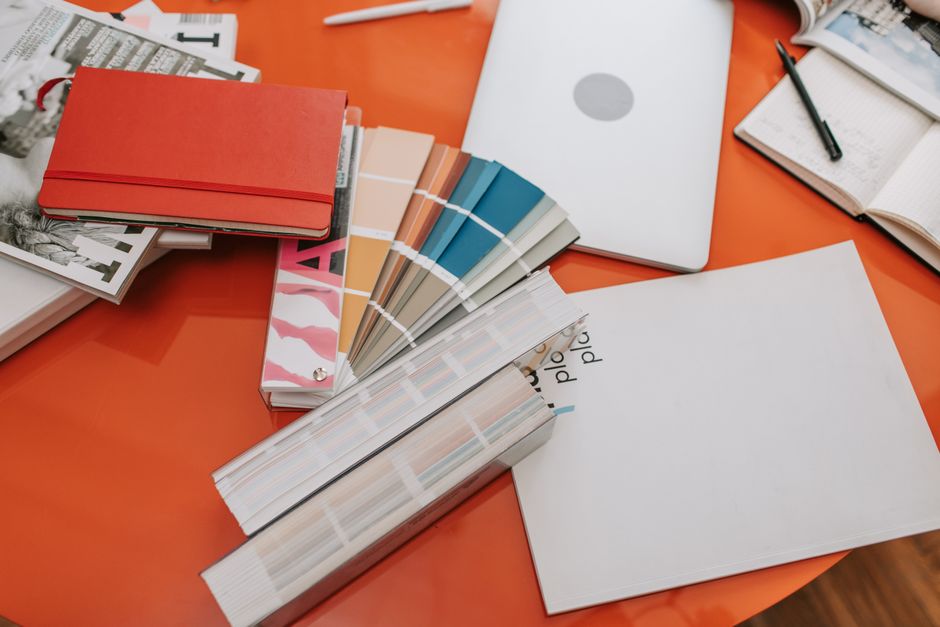
What Art Desk Looks Like on an Ordinary Day
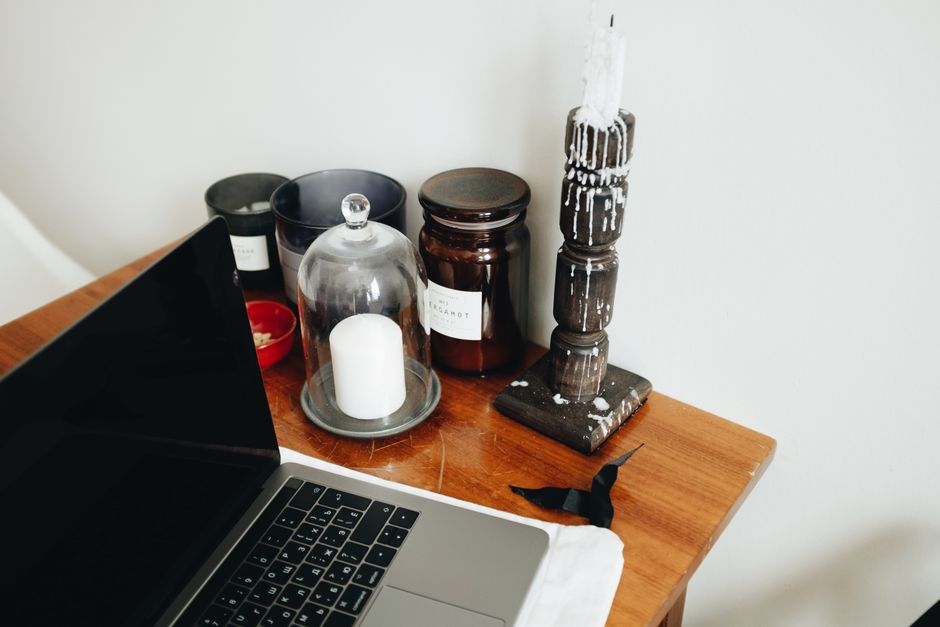
As the clock ticks towards the evening, the home desk is cluttered with a few simple creative materials: a sketchbook lies open beside a well-used notebook, and a pen rests nearby, ready for a quick jot. The coffee mug, half-full, sits within reach, a comforting presence as the mind wanders into the possibilities of a short creative session. Yet, with the day winding down and work commitments looming, that initial spark can quickly fade, leaving the supplies zipped away in a bag, untouched and forgotten.
After several days of missed opportunities, the thought of restarting feels daunting. The art desk, once a vibrant hub of activity, now feels like a hurdle. Without a clear cue to mark the next step, the session often ends abruptly, with the materials still in disarray. This friction can stifle creativity, making it easy to overlook the joy of journaling or a quick drawing. Recognizing this pattern is the first step towards reclaiming those moments and ensuring that creative hobbies don’t get lost in the shuffle of daily life.
The First Step That Gets Skipped
Quiet moments can be the perfect backdrop for a creative session, whether it’s before work with a cup of coffee or after dinner when the day winds down. However, many hobbyists find themselves caught in a familiar trap: the setup process becomes overwhelming. The supplies sit in a tray, neatly organized but uninviting, creating a barrier to getting started.
Initially, it seems reasonable to think that gathering materials will lead directly to creativity. The sketchbook is open, the pen is ready, and the notebook lies nearby, all seemingly poised for inspiration. Yet, when it comes time to dive in, the thought of unpacking the supplies, setting up the art desk, and finding the right tools can feel like an insurmountable task. This friction often leads to missed opportunities for creative expression.
To combat this, consider marking the next step before wrapping up a session. If the sketchbook is left open with a simple prompt written at the top, it serves as a cue for the next time you sit down. This little adjustment can transform the setup from a chore into a seamless transition. Instead of feeling daunted by the prospect of restarting after a few days, the open page invites you back into the flow, reducing the mental load and making it easier to pick up where you left off.
Where the Routine Starts to Fail
Setting up for a creative session can often feel like a hurdle rather than an invitation. When the clock is ticking and you have only a brief moment to spare, the thought of pulling out a sketchbook, digging through a supply tray for the right pen, or even just clearing off a corner of your desk can seem daunting. This initial friction can lead to a quick decision to skip the session altogether, especially if you’re already feeling pressed for time.
Instead of diving into a fulfilling DIY project or sketching out ideas, you might find yourself staring at a zipped bag of supplies. The act of unpacking materials becomes a barrier, and before you know it, that quiet block of time before work or after dinner slips away without a single stroke on the page. The supplies remain untouched, and the creative spark flickers out.
To counter this, consider a small yet effective adjustment: before wrapping up your current session, take a moment to mark the next step. Leave your sketchbook open with a simple prompt at the top. This way, when you return, the page is ready to greet you, and the mental load of starting anew is significantly lighter. Instead of facing a blank page and an empty desk, you’re greeted by a familiar cue, making it easier to jump back into your creative flow.
A Better Order for the Same Five Minutes
When you sit down at your home desk with a coffee mug in hand, the last thing you want is to waste precious time rummaging through a zipped bag of supplies. Instead of diving into a creative session, you might find yourself stuck, staring at your materials instead of using them. To streamline your process, consider a simple adjustment: keep your supplies in a dedicated tray or a ready-to-go bag, ensuring that everything you need is visible and accessible.
- Use a shallow tray to organize your sketchbook, pens, and any other materials you frequently use. This way, when you have a quiet block of time, everything is laid out and ready to go.
- Designate a specific time block, like the half-hour before work or after dinner, to engage in your creative hobbies. Knowing when you’ll create helps you prepare mentally and physically.
- Before finishing your current session, mark the next step in your sketchbook. Write a prompt or draw a light outline to guide you when you return. This small cue makes it easier to pick up where you left off.
By rearranging your setup, you transform that five-minute window into a productive creative session. Instead of feeling overwhelmed by the thought of unpacking, you can jump straight into your art practice, making the most of your time.
The Tradeoff of Convenience
Setting up your creative space for immediate use can feel like a blessing, especially when time is tight. A shallow tray on your art desk can hold your sketchbook, pens, and other materials, allowing you to dive into a creative session without rummaging through bags. However, this convenience comes at a cost. If you’re not diligent about tidying up after each session, your supplies can quickly become cluttered, leading to a chaotic workspace that stifles inspiration.
For instance, after a few days of neglect, you might find your once-organized tray overflowing with half-used tubes of paint, crumpled sketches, and stray brushes. This mess not only makes it harder to start your next session but can also drain your enthusiasm for creating altogether. To counter this, take a moment at the end of each session to put away any unused materials. A simple check—like ensuring your pens are capped and your sketchbook is closed—can prevent that overwhelming clutter from building up.
While the ready-to-start setup is designed to minimize friction, it requires a commitment to maintain order. The tradeoff is clear: ease of access versus the risk of creative burnout from a disorganized space. Yet, for many hobbyists, the initial convenience is worth the occasional effort to keep things tidy. Embracing this balance allows for a more fluid transition back into creativity, even if it means spending a few extra minutes on organization now and then.
What to Check Before the Phone Takes Over
A slightly different version of this problem appears in Creative Hobbies For Adults, where the sequence changes but the hidden drag feels familiar.
At your home desk, the familiar sight of your art supplies is both inviting and intimidating. A sketchbook lies open next to a half-finished DIY project, while a coffee mug rests precariously close to a tray filled with pens and brushes. The quiet block of time before work is a perfect opportunity to dive into a creative session, yet without a clear starting point, it’s easy to let distractions creep in.
Before you reach for your phone, take a moment to mark the next step in your creative project. Whether it’s jotting down a quick journaling prompt in your notebook or sketching a rough outline in your sketchbook, this small action serves as a mental cue, igniting the momentum you need to keep going. Place your notebook in front of the supplies tray, making it the first thing you see when you sit down. This simple visual reminder can cut through the noise of daily life and keep your focus sharp.
As you prepare to start, check that your supplies are easily accessible. Open your sketchbook to the last page you worked on, and ensure your favorite pen is capped and ready to go. This quick check not only minimizes the setup drag but also reinforces your commitment to your creative habits. If you find your supplies still zipped in a bag, consider setting aside a dedicated space on your desk where everything can stay out and organized. This way, when the urge to create strikes, you can jump right in without hesitation.
When the Alternative Fits Best
If this pattern keeps repeating, Starting New Hobbies Slowly extends the idea without leaving the niche.
Short, quiet blocks of time can be the perfect opportunity to dive into your creative hobbies, especially when the urge to create is strong but the clock is ticking. Picture this: you’re waiting for dinner to cook, and instead of scrolling through your phone, you grab your sketchbook from the supply tray on your desk. This simple shift can turn a mundane wait into a productive creative session.
To maximize these moments, keep your art desk organized and ready for quick access. Place your sketchbook open to the last page you worked on, with your favorite pen resting nearby. This way, when you sit down, you immediately see what you were working on, eliminating the friction of having to set up. If you find yourself reaching for your supplies only to discover they’re still zipped in a bag, consider dedicating a small section of your desk for a ready-to-start setup.
During these brief windows, aim to sketch a quick idea or jot down a few thoughts in your notebook. This not only helps maintain your creative momentum but also reinforces your commitment to your hobbies. The next time you have a few minutes before work or after dinner, you’ll be ready to jump in without hesitation, turning those fleeting moments into meaningful creative habits.
After a few missed creative sessions, the challenge often lies in finding the motivation to restart. One effective way to ease back into your art practice is to set a specific time each day when you can engage with your materials without the usual setup drag. For instance, if you have a quiet block of time before work, make it a habit to sit at your home desk with your sketchbook open and your favorite pen ready. This simple act of preparation signals your brain that it’s time to create.
Check your supply tray and ensure your essential materials are easily accessible. If you notice that some supplies are still zipped away in a bag, take a moment to unpack them and find a dedicated spot on your desk. By establishing this ready-to-start setup, you can minimize the friction of getting back into your creative flow. Next time you find a few spare minutes, you’ll be prepared to dive right in, transforming those brief moments into productive creative sessions.