What Creative Session Looks Like on an Ordinary Day
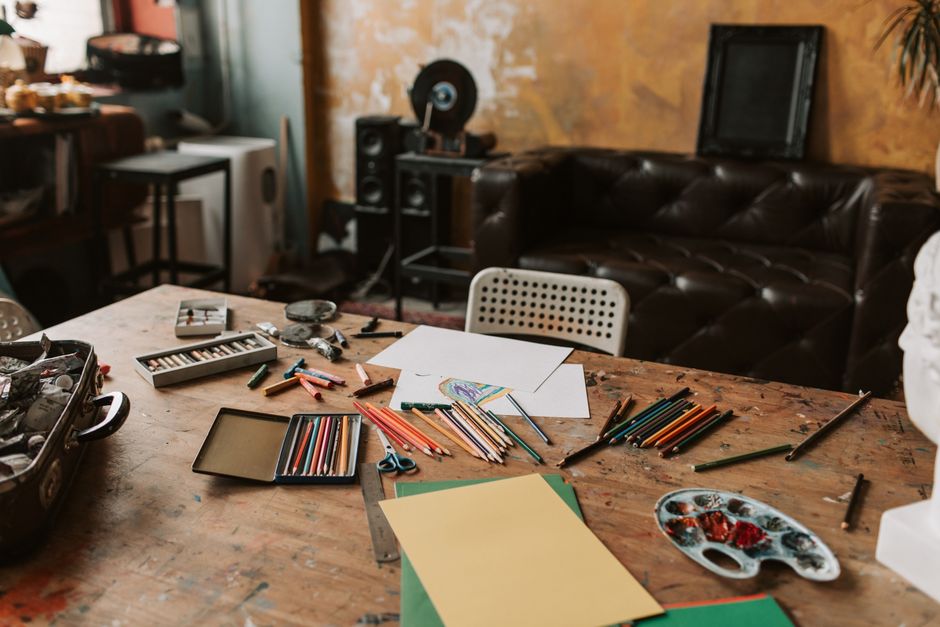
As the sun sets and the quiet of evening settles in, the art desk is bathed in a warm glow from a nearby lamp. A sketchbook lies open, its pages slightly curled at the edges, waiting for the touch of a pencil. The coffee mug, still warm, sits beside a neatly zipped bag of supplies, ready to transform a fleeting moment of inspiration into a tangible creation. This is the moment when excitement bubbles up, promising a productive creative session after a few missed evenings.
Yet, as the first strokes of graphite touch the page, a nagging thought interrupts the flow: what was the next step? The supplies remain zipped in the bag, and the absence of a clear plan makes it easy to lose focus. Without marking the last completed task or jotting down the next idea, the transition from thought to action becomes a stumbling block. The sketchbook's edge, once a canvas for creativity, now feels like a barrier, reminding the maker of the unfulfilled potential that lies just out of reach.
The Creative Session That Starts Strong
A quiet moment settles over the home desk, where a sketchbook lies open, its pages inviting the first strokes of creativity. The pen rests nearby, poised for action, while a coffee mug, still warm from a recent sip, adds a comforting presence. This space, filled with simple materials, feels charged with potential, especially after a few missed evenings where inspiration flickered but never ignited into action.
As the maker prepares to dive into a short creative session, the first step is crucial: checking the supplies. The neatly zipped bag, usually tucked under the desk, contains a mix of colored pencils and brushes, but it’s easy to forget what’s inside. Instead of rummaging through it, taking a moment to photograph the current state of the desk can serve as a visual reminder of what’s ready to go. This small act not only captures the setup but also marks the last completed task, creating a clear transition from thought to action. Without this simple check, the next step remains vague, and the excitement of starting can quickly turn into hesitation, leaving the maker staring at the sketchbook's edge, wondering where to begin.
When the Routine Begins to Slip
The quiet block of time after dinner often feels like the perfect opportunity for a creative session. However, the moment can quickly dissolve into uncertainty when the next step in the process isn't clearly marked. Sitting at the art desk, the maker glances at the sketchbook, its blank pages inviting yet daunting. A quick look at the supplies reveals the neatly zipped bag of colored pencils and brushes, but without a recent check, it's hard to remember which colors were intended for the current craft project.
This confusion can lead to hesitation. Instead of diving into the drawing, the maker finds themselves staring at the sketchbook's edge, feeling the pressure of time slip away. The excitement that once filled the air begins to fade, replaced by a nagging sense of what to do next. The next action, whether it’s sketching a rough outline or choosing a color palette, remains vague and unmarked, causing the maker to lose focus.
To combat this friction, a simple yet effective move is to photograph the current state of the desk. This snapshot not only captures the supplies ready for use but also serves as a visual cue for what to do next. By placing the phone next to the coffee mug, the maker can create a quick reference point for future sessions. This small action marks the last completed task and provides a clear transition from thought to action. Without it, the creative flow can easily stall, leaving the maker feeling stuck and unsure, with the sketchbook still waiting for that first mark.
Why the First Step Gets Overlooked
This same friction shows up again in Creative Hobbies For Adults, especially when the day tightens unexpectedly.
The clutter on the home desk can quickly become a barrier to creativity. As the maker sits down with a sketchbook open to a fresh page, distractions loom large. Notifications from the phone buzz incessantly, while the lingering thought of unfinished household chores hangs in the air. This combination of distractions and mental clutter often leads to a missed first step in the creative process.
- Without a clear organization of supplies, the maker might find a zipped bag of art materials tucked away, making it difficult to dive right into a creative session. Instead of reaching for the sketchbook, they waste precious minutes rummaging through the bag.
- A simple visual cue, like placing a favorite pen next to the sketchbook, can help signal readiness. However, if that pen is buried under a pile of papers, it becomes just another obstacle, leading to frustration and indecision.
- Good intentions often fall flat when the next step isn’t marked. The maker might have planned to sketch a rough outline, but without a physical reminder—like a sticky note on the edge of the desk—the thought slips away, leaving them staring blankly at the page.
These hidden frictions can derail even the most enthusiastic creative session. The maker, eager to start, finds themselves caught in a web of distractions and disorganization. The next time they sit down, it may help to take a moment to photograph the desk’s setup. This snapshot can serve as a reminder of what supplies are ready and what the first step should be, reducing the chance of getting stuck in the same cycle of confusion.
A Simple Adjustment to Keep the Flow
A slightly different version of this problem appears in Starting New Hobbies Slowly, where the sequence changes but the hidden drag feels familiar.
On a quiet evening, with the light fading outside, the art desk sits cluttered yet inviting. A sketchbook lies open, its pages slightly crumpled, a pen resting precariously on the edge. The supplies, however, remain zipped inside a bag, tucked away in the corner. This setup, while seemingly organized, creates an invisible barrier to starting a creative session. The intention to draw quickly dissipates as the maker realizes they must first dig through the bag to find the right materials.
One straightforward adjustment can ease this friction: keeping essential supplies visible and organized. Instead of letting everything stay in the bag, designate a small area on the desk for frequently used items. A simple checklist of materials—like a favorite pencil, eraser, and a few colored markers—can be placed directly on the desk. This way, when the maker sits down, they can immediately see what’s available and ready to use. A quick glance at this setup can trigger the mind to focus on the next step, rather than getting lost in searching.
To further enhance this process, consider taking a photograph of the workspace as it stands before starting. This snapshot serves as a visual reminder of what supplies are at hand and what the first action should be. It’s a small but effective way to combat the tendency to overlook the obvious, especially after a few missed evenings. The next time the maker feels the urge to create, they can refer back to this image, reducing the chances of getting stuck again. This simple act of documenting the current state can help streamline the transition into a productive creative session.
What Gets Easier in the Next Time Block
With the art desk cleared and supplies arranged, the next creative session can unfold more smoothly. When a maker approaches their desk, they find their sketchbook open to the last page worked on, a pen resting nearby, and a coffee mug filled with a fresh brew. This setup creates a welcoming atmosphere, inviting them to dive right in without hesitation.
One effective way to keep the momentum going is to place a small sticky note on the edge of the sketchbook, marking the next step. This note could simply say "Draw a flower" or "Start a new DIY project". By having this visible cue, the maker eliminates the mental friction of deciding what to do next. Instead of getting lost in thoughts or distractions, they can immediately focus on the task at hand.
When it's time to create again, the maker can easily glance at the note and the organized supplies, prompting them to pick up where they left off. This small adjustment not only saves time but also helps to maintain the flow of creativity, making it less likely to skip another session. As the evening draws near, it becomes easier to transition into a productive creative moment, rather than facing the daunting task of setting everything up from scratch once more.
As you prepare to dive back into your creative hobbies, consider the state of your supplies. If your materials are still zipped in a bag, it’s a clear signal that you might not be ready to start. When you sit down at your art desk, take a moment to lay everything out. Place your sketchbook open to the last page you worked on, and keep your favorite pen nearby. This simple act of organizing can spark the motivation to begin again.
Before your next creative session, take a quick photo of your setup. Capture the moment with your coffee mug beside your open sketchbook, ready for action. This visual cue can serve as a reminder of your intention to create, helping you avoid the friction of starting from scratch. The next time you sit down, you’ll have a clear view of where to pick up, making it easier to jump right into your art practice without hesitation.


