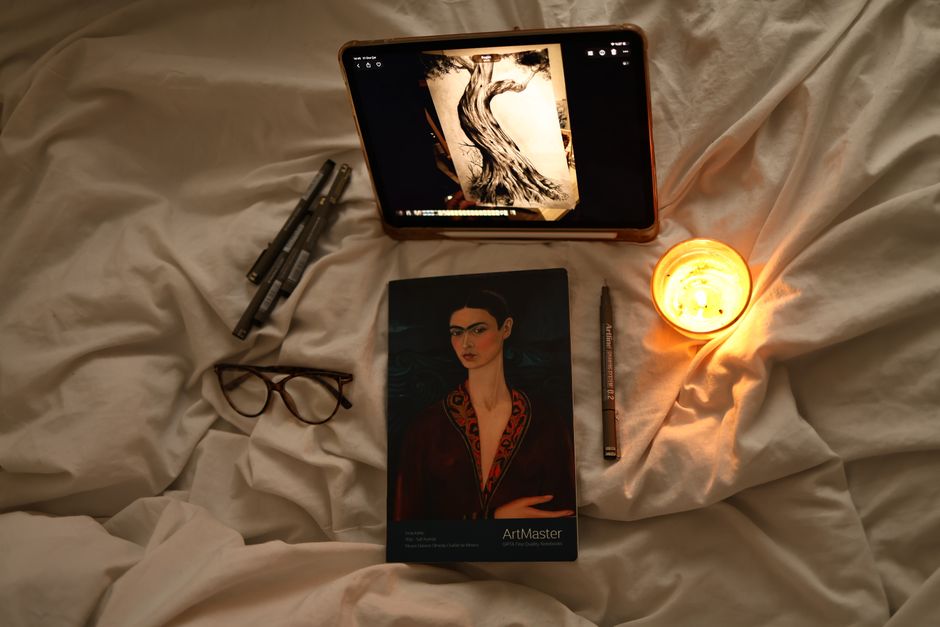
What Journaling Looks Like on an Ordinary Day

As the evening light fades, the art desk in the corner of the living room beckons. A sketchbook lies open, its pages blank and inviting, but the familiar rush of inspiration feels distant. After a few missed evenings, the thought of picking up a pencil again brings a mix of excitement and hesitation. Supplies are nearby, neatly zipped in a bag, yet they feel like a barrier rather than a bridge to creativity. The coffee mug sits half-full, a reminder of the quiet moments that could be spent drawing or journaling.
Opening the bag reveals a tangle of colored pencils and brushes, but the act of setting them out feels daunting. Each tool holds potential, yet without a clear next step, the momentum stalls. The sketchbook remains untouched, waiting for the simple act of marking the next blank page. It’s easy to overlook the small task of laying out materials, but this missed check can turn a creative session into a frustrating reminder of what hasn’t been done. With the right setup, those first strokes could flow freely, transforming the art desk into a space of renewed creative habits.
The Moment Before the Drift
As the sun dips below the horizon, the art desk corner becomes a sanctuary of potential. A sketchbook lies open, its blank pages inviting creativity, yet the nearby supplies remain zipped in a bag, creating an invisible barrier. The quiet of the evening wraps around the room, interrupted only by the faint sound of a clock ticking, marking the time before work tomorrow or the evening's winding down.
Reaching for the bag, there’s a moment of hesitation. The colored pencils and brushes inside are ready, but the act of unpacking them feels like a daunting task. Instead of diving into the creative session, the mind races through thoughts of what could be done—drawing, journaling, or starting a new craft project. The coffee mug, still warm from the last sip, sits as a reminder of the cozy atmosphere that could be transformed into an art practice.
To break the cycle of inertia, a simple decision can be made: set a timer for ten minutes. This small commitment allows for a focused burst of creativity without the pressure of a longer session. Unzipping the bag, the first step is to place the sketchbook directly in front of the coffee mug, creating a clear workspace. Next, the colored pencils can be arranged in a small cluster to the right, ensuring they are easily accessible. With everything in sight, the anticipation shifts from anxiety to eagerness, ready to mark the first stroke on the page.
The Small Mistake That Disrupts
This same friction shows up again in Creative Hobbies For Adults, especially when the day tightens unexpectedly.
The art desk corner is cluttered with potential, yet the supplies remain zipped in a bag, creating an invisible barrier. This small oversight often goes unnoticed, making it easy to drift from the initial excitement of starting a creative session to a frustrating halt. The sketchbook, a blank canvas waiting for inspiration, sits untouched, while the nearby coffee mug grows cold, a reminder of the time slipping away.
As the maker glances at the art supplies, the realization hits: everything is within arm's reach, but not ready for action. The colored pencils, vibrant and inviting, are still tucked away, leaving only the thought of what could be created. This moment of hesitation shifts the mood from eager anticipation to a sense of defeat. The intention to journal or sketch fades as the mind races through the logistics of unpacking, a task that feels disproportionately large compared to the joy of creating.
To counter this, a quick decision can be made: set a timer for five minutes and focus solely on unpacking. Start by unzipping the bag and laying out the supplies on the desk. Place the sketchbook front and center, then arrange the colored pencils in a neat line to the right, making them immediately accessible. This simple act transforms the workspace, signaling a clear intention to create. With the setup now complete, the maker can finally shift from planning to doing, ready to mark the first stroke on the page.
What Changes When You Skip the Setup
A slightly different version of this problem appears in Starting New Hobbies Slowly, where the sequence changes but the hidden drag feels familiar.
The art desk corner, typically a hub of creativity, becomes a cluttered reminder of missed opportunities when supplies remain zipped in a bag. As the clock ticks on a quiet evening, the maker reaches for the bag, only to find that the colored pencils and sketchbook are not readily accessible. Instead of diving into a short creative session, they find themselves rummaging through the bag, searching for the right tools. This initial mistake of neglecting the setup transforms what should have been a quick burst of inspiration into a frustrating scavenger hunt.
Time slips away as the maker struggles to locate the essentials. The intended ten-minute sketch stretches into a longer, unproductive period filled with distractions and disorganization. With each passing minute, enthusiasm wanes, replaced by a sense of defeat. The art desk, once a canvas for creativity, now feels like a barrier, amplifying the frustration of not having everything prepared. To counter this, a simple adjustment can be made: before the next session, take a moment to lay out the supplies in a designated spot on the desk, ensuring that the sketchbook is open and the colored pencils are within reach. This small act can help reclaim the momentum that was lost, making the transition from planning to creating smoother and more inviting. A Simple Repair to Get Back on Track After a few missed evenings, the art desk corner can feel like a daunting place. The sketchbook sits closed, and the colored pencils remain zipped in their bag, making it hard to dive back into creativity. Instead of a quick, refreshing session, the maker faces a frustrating delay, rummaging through supplies and losing the spark of inspiration. This disorganization transforms a ten-minute creative burst into an unproductive scavenger hunt, leaving the maker feeling defeated before even starting.
To shift this experience, taking just five minutes to prepare can make a significant difference. By laying out the sketchbook, opening it to a fresh page, and placing the colored pencils within arm's reach, the transition into creativity becomes seamless. Setting a coffee mug filled with a favorite drink nearby can also enhance the atmosphere, creating a small ritual that invites focus. This simple act of preparation not only reduces friction but also signals readiness, allowing the maker to engage with the materials immediately, rather than wasting time searching.
Next time, before the quiet block of time after dinner or just before work, make it a habit to check the desk setup. Ensure that everything is in its designated spot: the sketchbook open, the pencils arranged, and perhaps a notebook ready for jotting down ideas. This small adjustment can reclaim the enthusiasm that often fades during the hunt for supplies, transforming the art desk from a barrier into a welcoming space for creativity.
Recognizing the Repeatable Pattern
After a few missed evenings, the art desk corner can feel like a barrier rather than a launchpad for creativity. The supplies, neatly zipped in a bag, are close but not accessible, creating a mental block that makes starting a craft project seem daunting. When the time comes to dive back into a creative session, the initial excitement can quickly fade into frustration as the maker realizes that they haven't prepared their space.
One grounded reason this pattern sticks is the simple act of overlooking the setup. When returning to a creative hobby, it’s easy to skip the essential step of laying out materials. Instead of grabbing the sketchbook and colored pencils, the maker might find themselves staring at a closed bag, feeling the weight of inaction. To combat this, establishing a routine that includes a quick setup can help maintain creative momentum over time. Before the quiet block of time after dinner, take a moment to check the desk: open the sketchbook, place the pen nearby, and ensure the coffee mug is filled with a favorite drink. This small adjustment can transform the space into an inviting environment.
As the maker begins to recognize this repeatable pattern, the friction points become clearer. The next time there’s a quiet moment, the setup can shift from an afterthought to a priority, making it easier to engage with the craft project rather than feeling stalled by a lack of readiness. This awareness can turn the art desk into a welcoming space, rather than a reminder of missed opportunities.
Returning to creative hobbies after a few missed days can feel daunting, especially when the supplies remain zipped in their bags, waiting for attention. In that quiet block of time at your art desk, take a moment to lay out the essentials: open the sketchbook, set the pen nearby, and fill your coffee mug. This simple act of preparation transforms your space into a welcoming environment, ready for inspiration to strike.
Next time you find yourself with a few free moments, check that your supplies are easily accessible and ready to go. By making this setup a priority, you can eliminate the friction that often stalls creativity. With everything in place, diving back into your craft project becomes not just possible, but inviting.