What Small Change Makes Creative Hobbies More Workable at Home?
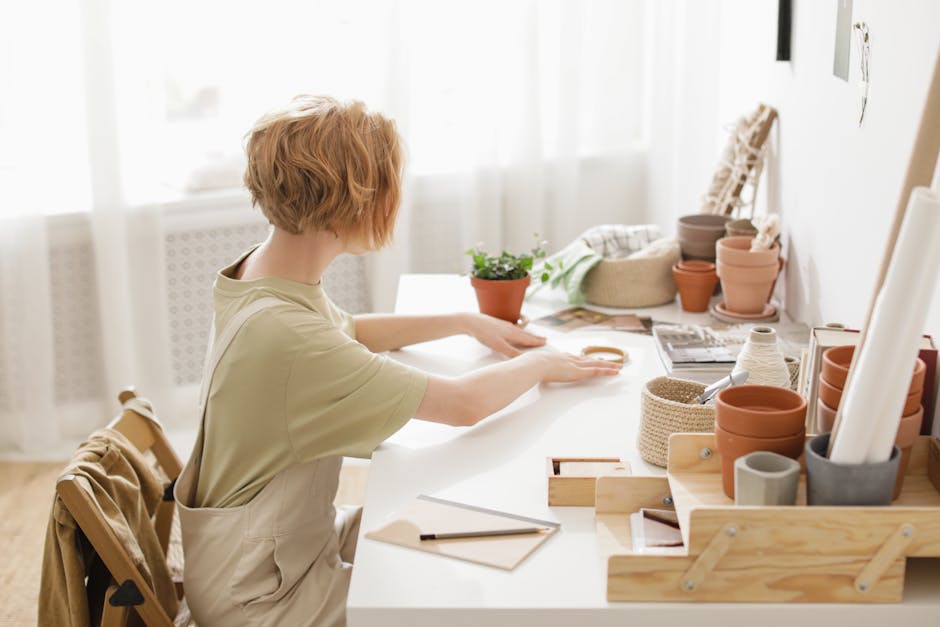
As the clock ticks toward the quiet hour after dinner, the art desk corner beckons with a familiar promise of creativity. A notebook lies open, a pen resting beside it, and a sketchbook waits for the next page to be chosen. This moment, just before diving into a short creative session, often feels like a launchpad for inspiration. Yet, the setup can sometimes loom larger than the actual practice, causing hesitation. The scattered supplies—a coffee mug, a few colored pencils, and a half-finished craft project—can create a subtle friction that stalls the flow of ideas.
Missing a simple cue, like leaving out a favorite tool or ensuring the next page is ready to go, can turn a spark of creativity into a moment of indecision. Instead of seamlessly transitioning into art practice, the mind might drift, caught between the clutter of choices and the desire to create. Recognizing these friction points is crucial for maintaining the momentum of creative hobbies. A small adjustment, like pre-selecting a page or keeping a single tool visible, can transform the experience, making it easier to engage without the weight of setup hanging overhead.
The Routine That Fizzles Out
At the corner of the art desk, the sketchbook lies open, its pages inviting yet untouched. A pen rests beside it, waiting for the familiar grip of fingers that often hesitate. After dinner, when the house quiets, this is the time set aside for creativity—a moment meant for drawing or journaling. However, the anticipation of a craft project can quickly turn into a mental block when the setup feels overwhelming. The scattered tools, like a coffee mug and a few colored pencils, create a subtle barrier that can stifle the flow of ideas.
To ease into the creative session, it’s essential to streamline the initial actions. Instead of rummaging through drawers for supplies, leaving out a favored tool, like a specific colored pencil, can serve as a visual cue. This small adjustment signals readiness and reduces the friction of decision-making. One effective tactic is to prepare the next page of the sketchbook ahead of time, ensuring it’s ready for immediate use. By doing this, the transition from the mundane to the creative becomes smoother, allowing for a more engaging experience. When the mind is free from the clutter of choices and the next step is clear, creativity can flourish instead of fizzle out. Where It Breaks: The Setup Trap At the corner of your art desk, a sketchbook lies open, but the clutter surrounding it—an unwashed coffee mug, scattered colored pencils, and a half-finished journaling page—creates an invisible barrier. This setup, while familiar, can quickly become overwhelming, leading to hesitation instead of inspiration. When the initial act of creating feels larger than the actual practice, it’s easy to drift into procrastination.
Consider the moment before you sit down for a quick creative session after dinner. You might feel the urge to grab a pen and start sketching, but the sight of your messy desk can stall that impulse. If you forget to leave out your favorite pen or a specific colored pencil, that small snag can become a significant delay. The first visible sign of drift often appears when you find yourself staring at the clutter instead of engaging with your art. The longer you hesitate, the more daunting the task seems.
To counter this, try a simple adjustment: before you finish your last creative session, take a moment to prepare for the next. Place your favorite pen in a prominent spot on the desk, right next to the open sketchbook. This visual cue not only signals readiness but also transforms your workspace into a launchpad rather than a barrier. When you return, the sight of that pen can reignite your motivation, making it easier to dive back into your journaling or drawing without the friction of a messy setup. By addressing this small detail, you create a smoother transition from intention to action, allowing creativity to flow more freely.
Why This Cycle Repeats
If this pattern keeps repeating, Creative Hobbies For Adults extends the idea without leaving the niche.
At the art desk corner, the sketchbook lies open, yet the next page remains untouched, a silent testament to indecision. Just as you settle into a creative session after a long day, a notification buzzes from your phone, pulling your focus away. This interruption, while seemingly minor, shifts your attention to the screen, creating a mental barrier that feels larger than it should. The moment you glance at your phone, the initial spark of creativity flickers, leaving you staring blankly at the page, unsure of what to draw next.
As the minutes pass, the empty page becomes a symbol of lost momentum. You realize that the hidden cause of this cycle is not just the notification itself but the way it disrupts your flow. The tradeoff here is clear: each time you engage with your phone, you forfeit precious moments that could have been spent sketching or journaling. To break this cycle, consider placing your phone in a drawer or turning it off during your creative time. This small adjustment can help reclaim your focus, allowing you to choose that next page with confidence, rather than letting it linger as a reminder of what remains uncreated.
A Simple Correction to Shift the Balance
This same friction shows up again in Starting New Hobbies Slowly, especially when the day tightens unexpectedly.
As the evening light filters into your art desk corner, the clutter of creative materials can feel overwhelming, often leading to a mental block. To counteract this, try leaving out just one tool, like your favorite pen, prominently placed next to your open sketchbook. This simple act signals your readiness to dive back into your practice, setting a clear intention for your creative session.
- Keep your favorite pen uncapped and beside your sketchbook to create an inviting atmosphere.
- Open your sketchbook to a blank page before you sit down; this visible cue encourages you to start drawing immediately.
- Consider setting a timer for 15 minutes—this small correction can help you focus without the pressure of a lengthy session.
When you sit down, take a moment to glance at your setup: the pen ready, the sketchbook waiting. This arrangement transforms the daunting task of starting into a simple choice—pick up the pen and begin. By making these adjustments, you can shift from feeling blocked by setup friction to embracing the creative flow, allowing those blank pages to fill with your ideas rather than linger untouched.
What to Check Before You Drift Away
Before diving into your creative session, take a moment to scan your art desk corner. Is your workspace clutter-free? A clean surface can significantly reduce the mental barrier to starting. If your sketchbook is hidden under a pile of old receipts or random supplies, that visual chaos can create unnecessary friction. Clear away distractions, leaving only your essential tools in sight, like your favorite pen and an open sketchbook, ready for action.
Next, check your coffee mug. Having it filled not only signals comfort but also creates a small ritual that can enhance your focus. As you sip your coffee, let it remind you of your commitment to your creative practice. This simple act of preparation fosters a welcoming atmosphere, allowing you to transition smoothly into your art. When you sit down, take a moment to notice the empty page of your sketchbook, a visible cue that invites you to begin. By ensuring your desk is tidy and your mug is full, you set the stage for a productive creative session, minimizing the chances of drifting away from your artistic intentions.
What Changes Once That Fix Repeats
After a few creative sessions where you leave your favorite pen out and keep your sketchbook open, the atmosphere around your art desk transforms. The next time you sit down, you immediately notice the inviting blank page waiting for your ideas. This small adjustment makes it easier to dive into your practice without the mental hurdle of searching for supplies. Instead of feeling overwhelmed by setup, you can focus on the act of creation itself.
When you finish a session, take a moment to leave the pen uncapped and the sketchbook slightly ajar. This signals to your brain that the work isn’t quite done, but rather a continuation waiting for your return. The next time you approach your desk, you can simply pick up where you left off, eliminating the friction of choosing a new page or tool. The act of maintaining this simple setup creates a rhythm that encourages regular engagement with your creative hobby.
As you sip your coffee from the mug that sits beside your open sketchbook, you can feel the comfort of familiarity. This ritual not only enhances your focus but also serves as a gentle reminder of your commitment to your creative habits. The ease of access to your materials means that instead of hesitating, you’re more likely to jump right into a short session, whether it's journaling or sketching. Over time, this can lead to a more consistent practice, as the barriers to starting become less daunting.
As you finish a creative session at your art desk, take a moment to leave your favorite pen out, ready for the next time you sit down. This small act reduces the friction of starting again, as it signals that your creative practice is ongoing, not just a one-off effort. The next time you approach your desk, the mere sight of that pen can spark inspiration, inviting you to pick up your sketchbook and dive back into your work.
Consider also keeping your notebook open to the last page you used. This simple adjustment not only saves time but also creates a visual cue that encourages you to continue your journaling or craft project. By minimizing setup time, you transform those quiet moments before work or after dinner into opportunities for creativity, making it easier to maintain your artistic habits.