Why Creative Hobbies for Adults Slip When Mood Takes Over
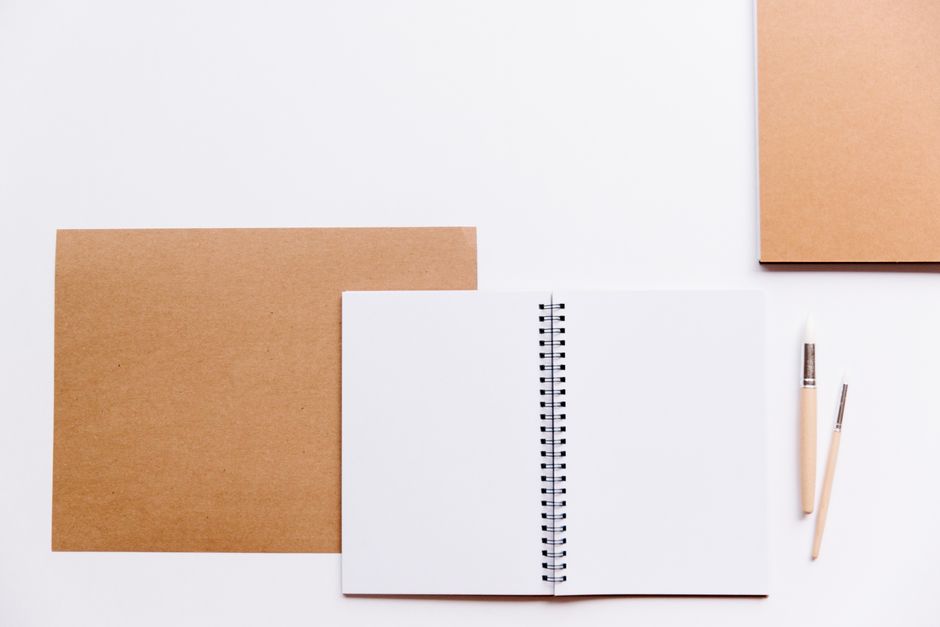
At the corner of the art desk, a sketchbook lies open, its pages blank and inviting. The quiet of the evening settles in after dinner, a perfect moment to start a short creative session. With a coffee mug in hand, the intention is to draw, but the next page remains unchosen. The setup feels larger than the actual practice, as the mind wanders through thoughts of what to create rather than simply picking up the pen and starting.
This moment highlights a common friction in maintaining a creative habit. The act of drawing can quickly shift from a joyful expression to a daunting task, especially when reliant on mood rather than a structured routine. The sketchbook, once a canvas of possibilities, now feels like a blank slate filled with pressure. Instead of diving into the art practice, there's a hesitation to mark the next step, leaving the session in limbo. This missed check can lead to a cycle where the creative impulse fades, overshadowed by the weight of expectation.
The Quiet Corner: Where Routine Begins
The art desk sits in a cozy corner of the home, cluttered yet inviting, with a sketchbook open to a fresh page, a notebook filled with half-formed ideas, and a coffee mug that still holds the warmth of the last sip. This space, often a sanctuary after a long day, is where the intention to draw meets the reality of a quiet evening. The clock ticks gently, marking the time just before work begins, creating a fleeting window for creativity.
As the evening light filters through the window, the urge to dive into a drawing session is palpable. Yet, the act of simply picking up the pen feels overshadowed by the weight of expectation. The blank page seems to stare back, amplifying the pressure to create something worthwhile. Instead of a simple act of drawing, the moment morphs into a mental negotiation, where the choice of what to create becomes more daunting than the act itself.
In this hesitation, a small, practical move can shift the momentum. Instead of overthinking the next sketch, the notebook can serve as a quick reference point. Jotting down a single word or idea can break the spell of indecision. Perhaps it’s a character, a scene, or even just a color palette. This tiny note can act as a bridge to the next session, easing the transition from thought to action and marking the next step forward.
However, this setup often feels larger than the practice itself. The desk, filled with materials, can become a barrier rather than a facilitator, making the creative impulse wane under the weight of choice. Without a structured routine, the creative session risks becoming a cycle of missed opportunities, where the joy of drawing is overshadowed by the struggle of getting started.
The Moment of Slip: When Mood Overrides Schedule
Sitting at the art desk corner, the sketchbook lies open, but the quiet of the evening is punctuated by the persistent buzz of notifications from the phone. The persona glances at the screen, feeling the pull of messages and updates, which distracts from the creative session that was planned. Instead of diving into a warm-up sketch, they think, "I’ll just feel it later," and skip this important step. The absence of that initial mark on the page leaves a gap, a missed opportunity to ease into the flow of creativity.
This decision to bypass the warm-up leads to a subtle but immediate consequence: the blank page looms larger than before, and the act of starting feels more daunting. Without the usual routine, the transition from day to art practice becomes jarring. The persona hesitates, staring at the untouched sketchbook, unsure of what to draw. The next page isn’t chosen, and the creative impulse begins to wane. To regain focus, they could jot down a quick note in the margin—a character name or a color scheme—something to anchor the next session and mark the next step. But for now, the setup feels heavier than the act itself, and the creative session slips away into distraction. Why Setup Becomes a Barrier: The Friction of Mood At the corner of the art desk, a sketchbook lies open, its pages blank and waiting. The quiet of the evening, just after dinner, offers a perfect moment for creativity, yet the persona feels a familiar weight. Instead of reaching for a pencil, they hesitate, caught in the mental tug-of-war between mood and structured practice. The setup—a simple act of gathering materials—feels larger than the actual act of drawing. With the sketchbook open, they find themselves staring at the empty page, the anticipation of what to create overshadowed by the pressure of starting.
Good intentions to draw a quick sketch dissipate as the persona realizes they haven’t even chosen the next page to work on. This hidden step, often overlooked, becomes a barrier. They could have simply flipped to a new page and made a quick mark, but instead, they sit in indecision. The absence of that initial movement—a simple flick of the wrist to turn the page—leaves them stuck, and the creative session begins to slip away. Without the usual routine to guide them, the transition from daily life to art practice feels jarring.
To regain focus, they could jot down a quick note in the margin—perhaps a character name or a color scheme—something to anchor the next session and mark the next step. However, the momentary lapse in action creates a ripple effect: the longer they wait, the more daunting the blank page becomes. The intention to create, once vibrant, now feels muted, tangled in the friction of mood versus routine. As they sit there, coffee mug in hand, the realization dawns that without a clear plan or a physical prompt, the creative energy fades, leaving only the weight of unfulfilled potential.
A Simple Adjustment: Marking the Next Step
A slightly different version of this problem appears in Creative Hobbies For Adults, where the sequence changes but the hidden drag feels familiar.
As the evening light filters through the window, the art desk is cluttered with a few essential tools: a sketchbook, a pen, and a half-empty coffee mug. After a long day at work, the thought of starting a new sketch feels overwhelming. The blank page looms large, and the usual excitement of creativity is dulled by the weight of indecision. Instead of diving in, the artist hesitates, stuck in the transition between routine and creative mood.
To ease into the session, a small but effective adjustment can make a difference. Before wrapping up a previous drawing, they take a moment to mark the next page in the sketchbook with a simple line or a quick doodle. This act serves as a visual cue, reducing the setup friction for the next creative session. It’s a tangible reminder that the next step is already waiting, making it easier to return without the daunting task of starting anew.
Additionally, they jot down a brief note in the margin about what to explore next time—perhaps a new character or a color palette to experiment with. This note not only creates continuity but also provides a clear direction for the next session, bridging the gap between moods. By establishing this small sequence of actions, they transform the setup from a barrier into a pathway, allowing creativity to flow more freely. The next time they sit down at the desk, the page is already marked, and the note offers a spark of inspiration, making the transition feel less jarring and more inviting.
What Gets Easier in the Next Time Block
If this pattern keeps repeating, Starting New Hobbies Slowly extends the idea without leaving the niche.
As the evening settles in, the art desk corner becomes a familiar sight, cluttered yet inviting. The sketchbook lies open, its blank page a canvas for potential. When the urge to create strikes, the first hurdle often feels like the setup itself—gathering materials, choosing a subject, and finding the right mood. However, by marking the next page during the previous session, the transition into creativity becomes smoother.
Instead of staring at a blank page, the artist finds a simple line or a quick doodle already waiting. This small act not only signals readiness but also eliminates the intimidation of starting fresh. With the coffee mug steaming beside them, they can dive straight into drawing, focusing on the flow of ideas rather than the friction of setup. As they sketch, they recall the note jotted in the margin about experimenting with a new color palette. This serves as a gentle nudge, guiding their creative session without overwhelming pressure.
By embracing this small adjustment, the artist transforms the desk from a barrier into a launchpad. The next time block feels less like an obligation and more like an opportunity, with the groundwork already laid. The act of simply opening the sketchbook to a marked page and recalling the note creates a sense of continuity, allowing creativity to flourish more freely in the moments that follow.
After a long day, the art desk can feel daunting, especially when the mood shifts unpredictably. Instead of letting that setup become a barrier, consider keeping a simple note in the sketchbook. This note can outline the next step, whether it’s a color experiment or a new doodle technique. When the moment strikes, simply flipping to that page can ease the transition into creativity, making the act of starting feel less like a chore and more like a continuation of a journey.
Next time you sit down to create, take a moment to check that your sketchbook is open to the marked page. This small act not only prepares your mind for the creative session ahead but also reinforces the habit of returning to your art practice, regardless of how you feel. By minimizing the friction of setup, you can focus on what truly matters: the joy of creating.


