Where Creative Hobbies For Adults Usually Breaks in Real Life
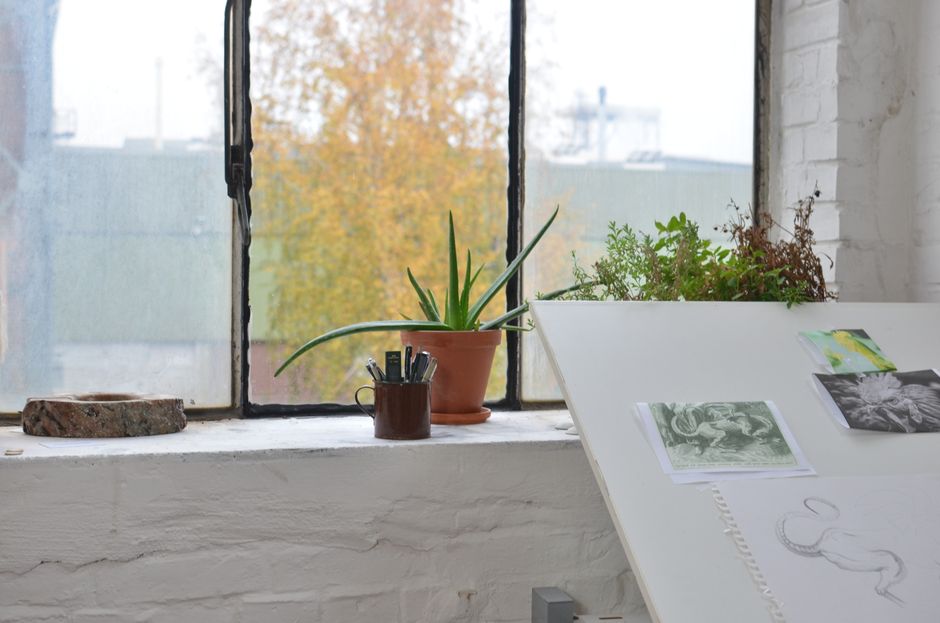
At the corner of the art desk, a sketchbook lies open, its pages blank and waiting. The coffee mug sits nearby, steam curling up in the quiet of the early morning. This moment, just before diving into a creative session, feels both promising and daunting. Picking up the pencil, I notice it needs sharpening, a small yet significant task that can easily derail the flow. The next step was never marked, and without a clear indication of where to start, it’s easy to feel the weight of those missed days creeping back in.
In the rush to begin, I often overlook simple adjustments that could ease the transition back into my art practice. Leaving the sharpener within reach or even sharpening the pencil the night before can make a noticeable difference. When I sit down, the act of reaching for a tool that’s ready to go can spark creativity rather than frustration. A quick note in my notebook about what to tackle next can also eliminate that nagging uncertainty, making it easier to dive into the work without the setup friction that often stalls my momentum.
Inertia at the Art Desk: A Typical Scene
The art desk sits invitingly in the corner of my home, clutter-free, with a sketchbook open and a pen resting nearby. It’s a quiet moment just before work, a rare pocket of time that beckons for a short creative session. I glance at the empty coffee mug, a reminder of the energy I need to summon, and I can feel the pull of those missed days weighing on me. The setup is almost perfect, yet there’s a subtle friction lurking beneath the surface.
As I prepare to dive in, I remember the last time I sat down here. I had to stop mid-sketch because my pencil was dull, a small detail that turned into a frustrating roadblock. This time, I take a moment to check the sharpness of my pencil. I reach for the sharpener and quickly twist the pencil until it’s ready. This simple act, though minor, shifts my mindset; I’m not just starting—I’m ready to create.
Before I begin, I jot down a quick note in my sketchbook about what I want to focus on today. This serves as a checkpoint, a clear direction that eliminates any lingering uncertainty. With the pencil sharpened and a plan in place, I can finally embrace this creative moment without the setup friction that often holds me back. As I start to draw, I notice how these small adjustments transform the experience, making it feel more fluid and less like a chore.
The First Signs of Routine Slippage
This same friction shows up again in Creative Hobbies For Adults, especially when the day tightens unexpectedly.
As I settle into the corner of my art desk, the familiar sight of my sketchbook and a well-loved pen invites me to create. However, the nagging thought that I haven’t touched my supplies in a few days lingers. I reach for my pencil, only to find it dull and uninviting. This small detail, often overlooked, becomes a barrier to starting my creative session. I pause to sharpen it, twisting it methodically in the sharpener, feeling the friction of the moment dissolve as the tip reveals itself. It’s a simple act, yet it shifts my focus from hesitation to readiness.
Before diving in, I glance at my sketchbook, where I realize I left the next step of my project unmarked. This oversight adds a layer of confusion, making it hard to recall where I intended to go next. I grab a pen and quickly jot down a note in the margin, outlining my goal for today’s session. With the pencil sharpened and my next move clearly defined, I can finally immerse myself in the drawing without the weight of uncertainty. These small adjustments, while seemingly trivial, are vital in maintaining the flow of my creative practice, preventing the slippage that can turn enthusiasm into frustration.
Understanding the Everyday Friction
A slightly different version of this problem appears in Starting New Hobbies Slowly, where the sequence changes but the hidden drag feels familiar.
At my art desk corner, the remnants of my last creative session linger, a reminder of both inspiration and interruption. I pull out my sketchbook, ready to dive back into my drawing, but a wave of uncertainty washes over me. I realize I forgot to mark my next step, which leaves me staring at a blank page instead of jumping into my work. This moment of hesitation shifts my mood from eager anticipation to a frustrating pause, making it harder to engage with my project.
- Leaving out a simple note about where to begin can derail momentum.
- The excitement of starting can quickly turn into doubt when clarity is missing.
- Each missed step adds another layer of friction, making the path forward feel unclear.
As I sit there, I know that good intentions alone won’t carry me through. I decide to grab a pen and jot down a quick reminder in the margin of my sketchbook, outlining what I want to achieve today. This small act of preparation serves as my checkpoint, helping me regain focus. In the quiet block before work, I can finally pick up my sharpened pencil and begin without the weight of uncertainty hanging over me, yet I can’t help but wonder how easily this friction could return if I don’t keep my notes visible for the next session.
One Simple Adjustment to Ease Into Creativity
Returning to my art desk after a few missed days feels daunting, especially when my pencil is dull and my thoughts are scattered. I glance at the cluttered corner where my sketchbook lies open, but the excitement of starting is overshadowed by the nagging task of sharpening that pencil. Instead of diving into my project, I find myself hesitating, wishing I had left my tools more organized.
To streamline my next session, I decide to leave the sharpened pencil out on the desk, ready for action. This small change means I can pick it up without delay, allowing me to jump right into my drawing. I also take a moment to write a quick note in the margin of my sketchbook, outlining the next step for my craft project. This note serves as a visual cue, guiding my focus and reducing the friction of figuring out where to start. Now, when I sit down for a quiet block of time before work, I have everything set up to create without the weight of uncertainty.
However, I realize that this adjustment needs to be intentional. If I don’t keep the pencil sharpened and the note visible for my next session, I might find myself in the same frustrating cycle again. The simple act of preparation not only eases my entry into creativity but also highlights how easily setup friction can creep back in if I’m not mindful.
Next Steps: Carrying the Adjustment Forward
With the pencil sharpened and resting on my art desk, the next creative session feels surprisingly less daunting. Instead of hesitating, I can simply pick it up and start drawing. This small change removes the initial barrier that often halts my momentum. The tactile experience of the pencil gliding smoothly across the paper is a welcome contrast to the frustration of fumbling with a dull tip.
Next to my sketchbook, I’ve left a note detailing the next steps for my craft project. It sits prominently in the corner, a visual anchor that reminds me of what I intended to tackle. The note outlines a few simple tasks: gather materials, sketch the layout, and paint the initial layer. This clarity makes it easier to dive back into the project without the mental load of remembering where I left off. I can see the path ahead clearly, and the pressure of uncertainty fades away.
As I sit down with my coffee mug in hand, I realize that this setup not only streamlines my process but also encourages a more consistent practice. However, I also notice that if I neglect to keep the pencil sharp or the note visible, I risk slipping back into that frustrating cycle of setup friction. The adjustment is beneficial, but it requires ongoing attention to maintain its effectiveness.
As I prepare to restart my creative session after a few missed days, I glance at my art desk corner, cluttered yet familiar. The pencil, still blunt from my last session, reminds me of the small but vital checks that can derail my flow. Leaving it out, along with a sharpener, becomes my new ritual. This simple act ensures that I can start drawing without delay, eliminating that initial friction that often halts my momentum.
Next to my sketchbook, I’ve placed a sticky note with my intended tasks for today: sharpen the pencil, sketch a new idea, and jot down thoughts for my journaling project. This visual cue keeps me anchored, guiding my focus and preventing me from wandering off track. By taking a moment to set up this small reminder, I’m not just preparing for today; I’m laying the groundwork for a more consistent creative habit moving forward.


