Why Creative Hobbies Stall When Setup Becomes a Chore
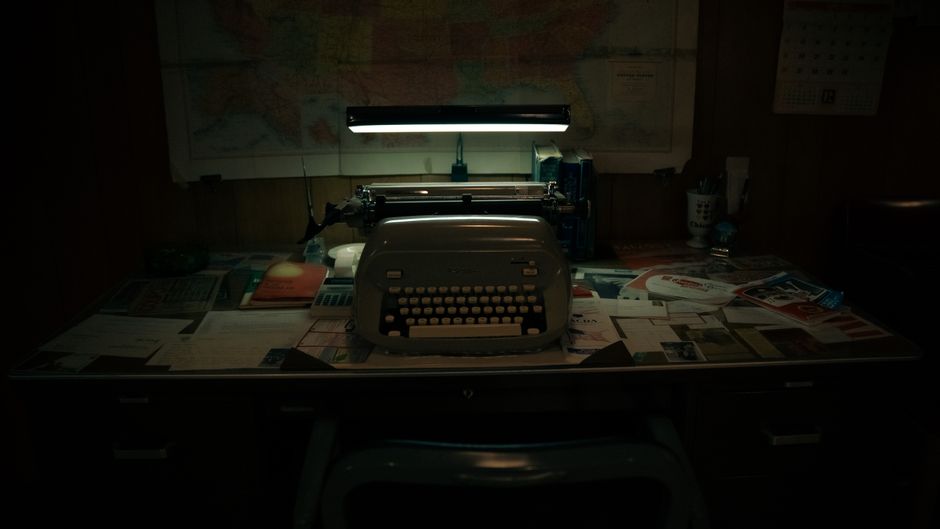
At the corner of my art desk, the sketchbook lies open, its pages waiting for the first stroke of a pencil. It’s a quiet moment after dinner, the kind where creativity feels just within reach, yet the energy to begin seems to evaporate into thin air. The notebook is nearby, but the pencil needs sharpening, a small task that looms larger than it should. This simple friction can halt a creative session before it even starts, leaving me staring at the supplies instead of diving into a drawing or journaling.
With the coffee mug still warm beside me, I glance at the scattered materials: colored pencils, a few pens, and a half-finished craft project that beckons for attention. Each item is a reminder of what could be, yet the act of preparing feels like an insurmountable barrier. If I had left the pencil sharpened or placed the sketchbook in a more accessible spot, perhaps the transition from thought to action would be smoother. Instead, I find myself caught in the inertia of setup, questioning how to bridge the gap between intention and execution.
The Routine That Begins to Slip
The art desk, a small corner of my home, is cluttered yet inviting. A sketchbook lies open, its blank pages waiting for the first stroke, while a half-finished craft project sits nearby, a colorful mess of yarn and glue. It’s a quiet evening, just after dinner, and the soft glow of the desk lamp casts a warm light over my supplies. The intention to create is there, but the reality of setup looms larger than I’d like to admit.
As I reach for my favorite colored pencils, I realize the one I want is buried beneath a pile of others, unsharpened and dull. The thought of digging through the jumble feels daunting, as if I’d need to muster a small army of motivation just to get started. If only I had taken the time earlier to leave one pencil sharpened and ready to go, perhaps I wouldn’t be caught in this moment of inertia. Instead, I find myself contemplating whether to put in the effort to prepare or to simply close the sketchbook and walk away.
To break this cycle, I decide to take a small step: I pull out the sharpener and set it next to the sketchbook. With the warm coffee mug still in hand, I remind myself that sharpening just one pencil can be the bridge from thought to action. I can’t help but think how a simple adjustment, like keeping one tool out and ready, could transform this creative space into a more inviting realm. Yet, as I sit there, the prospect of starting still feels like a distant goal, overshadowed by the friction of setup that keeps my creative habits from flourishing.
When the Setup Becomes a Barrier
As I sit at my art desk corner, the soft glow of the lamp casts a warm light over my supplies, but the moment I reach for my sketchbook, I freeze. The pencil I intended to use is dull, and the sharpener is tucked away in a drawer, out of sight. This small detail looms larger than it should; the energy to initiate my creative session feels like a mountain to climb. The coffee mug beside me, still warm, reminds me of the quiet block of time I have before work, yet here I am, stalling.
Digging deeper into the chaos of my desk, I realize that my notebook is buried under a pile of half-finished craft projects and stray markers. This clutter creates a mental block, making it harder to transition from thought to action. I can’t help but think that if I had organized my space better, perhaps I wouldn’t be facing this moment of hesitation. The pencil needs sharpening, and the notebook is inaccessible—two small hurdles that compound into a significant barrier.
To break this cycle, I make a quick decision: I pull out the sharpener and place it next to the sketchbook, ensuring it’s visible and ready for use. I also clear a small space on the desk, moving aside the craft project that was blocking my notebook. By taking these simple steps, I create a more inviting environment for my creative session. Yet, even as I do this, the thought of starting still feels daunting, a reminder that sometimes the setup can overshadow the joy of creating.
Why Does This Friction Occur?
If this pattern keeps repeating, Creative Hobbies For Adults extends the idea without leaving the niche.
The art desk corner, usually a source of inspiration, can feel like a barrier after a long day. When I finally sit down with my coffee mug in hand, the thought of starting a creative session feels daunting. The sketchbook lies open, yet the pencil sits unsharpened nearby. It’s a simple task, but after juggling work and household chores, even this small action can feel overwhelming. The energy to create is there, but the setup demands drain it away.
As I glance at the supplies, I realize that good intentions alone aren’t enough. I had planned to dive into a quick journaling session, yet the clutter on the desk makes everything feel inaccessible. The pencil needs sharpening, and the sharpener is buried under stray markers and half-finished craft projects. This hidden step, although minor, becomes a hurdle that compounds the fatigue of my day. I decide to take a moment to clear the space: I move aside the craft project and pull the sharpener into view. With the pencil now ready, I can finally pick up the notebook and start writing, but the lingering thought remains—why does the setup sometimes overshadow the joy of creating?
A Simple Adjustment to Ease the Flow
This same friction shows up again in Starting New Hobbies Slowly, especially when the day tightens unexpectedly.
At the corner of my art desk, the sketchbook lies open, but the pencil remains tucked away, unsharpened. As I prepare for a brief creative session after dinner, I can’t help but notice how this simple oversight can derail my intentions. The clock ticks softly, reminding me that I have only a short window to dive into my journaling. I realize that if I had left the sharpened pencil right beside the sketchbook, I could have jumped straight into my thoughts without the friction of an extra task.
To streamline my setup, I decide to make a small adjustment: I place the sharpener directly next to the sketchbook and leave the pencil out, ready for use. This way, when the moment strikes, I won’t waste precious time searching for tools or preparing supplies. I also set a reminder on my phone for 10 minutes before my next creative session, prompting me to check that everything is in place. This simple sequence change means I can focus on the act of creation, rather than the logistics of getting started.
As I take a sip from my coffee mug, I feel a sense of relief knowing that the supplies are now visible and accessible. Yet, I can’t shake the thought that even with these adjustments, the urge to create can still feel overwhelming. The setup may be easier, but the challenge of carving out time for creativity remains an ongoing negotiation with my busy life.
How This Change Affects Tomorrow's Session
With my pencil sharpened and the sketchbook open on my art desk corner, I notice a subtle shift in how I approach my creative sessions. The act of leaving my tools visible and ready has transformed the way I think about starting. Instead of feeling daunted by the setup, I now find a sense of ease in simply picking up the pencil and letting ideas flow onto the page.
As I glance at the supplies neatly arranged—my favorite pens, a fresh notebook, and a half-empty coffee mug—I realize that this small adjustment has a ripple effect. The next time I sit down for a creative session, I won't waste those precious moments fumbling for a sharpener or flipping through pages to find a blank spot. Everything is already in place, waiting for me to dive in. This not only saves time but also reduces the pressure to begin, allowing for spontaneous bursts of creativity.
Before I finish my evening routine, I set a simple reminder on my phone for tomorrow's session. It’s a quick nudge to check that my supplies are still ready. This tiny act of preparation reinforces my commitment to my creative habit while ensuring that I can easily slip into a flow state without the usual friction. Yet, as I sit back and sip my coffee, I can’t help but wonder if these minor adjustments will be enough to overcome the mental hurdles that still linger. Time will tell if this newfound ease will translate into a more consistent practice, or if the challenge of finding time for creativity will continue to loom large.
As I glance at my art desk corner, I notice the sketchbook is open to a fresh page, the pen is uncapped, and the pencil is sharpened, ready for action. This simple setup invites me to engage without hesitation. Yet, the lingering thought of whether I can sustain this rhythm remains. Will I find the time tomorrow, or will the demands of daily life push my creative hobbies aside once more?
Before I leave the desk, I take a moment to place my coffee mug next to the sketchbook, a visible cue for my next creative session. This small act not only reinforces my intention but also serves as a reminder that even amidst the chaos, carving out time for creativity is a priority. Tomorrow, when I return, I’ll be met with a welcoming space, ready to embrace whatever inspiration strikes.


